June 24, 2026
Climate variability defines the structural needs of homes across various geographic areas. From coastal humidity to arid heat, diverse weather conditions demand specific indoor comfort strategies. Navigating these environmental demands requires specialized knowledge of regional atmospheric patterns. Hiring a local HVAC company offers homeowners essential expertise regarding local environmental conditions. By understanding the distinct characteristics of the surrounding climate, these specialists ensure optimal home environments.
National service providers often apply generic templates to indoor comfort solutions. These broad strategies overlook the nuanced atmospheric shifts occurring within specific municipalities. Community-based technicians bring direct experience with seasonal temperature fluctuations. This direct experience informs better decisions regarding equipment installation and system upkeep. Customizing approaches to match the exact regional climate reduces energy waste and enhances overall indoor comfort for area residents.
Mastering Regional Weather Patterns
A deep comprehension of community weather trends distinguishes community-based technicians from external contractors. Technicians residing within the community experience the exact weather phenomena as the residents they serve. A local HVAC company applies this environmental awareness to design durable climate control systems. Regional experts anticipate the distinct challenges posed by the local environment, structuring their heating and cooling strategies to match.
Certain regions face intense summer humidity, while others endure dry winter winds. Generic heating and cooling strategies fail to address such extreme variations. Community-based technicians evaluate these distinct atmospheric variables before recommending climate control strategies. Ignoring these unique weather patterns leads to inefficient energy consumption. Regional specialists analyze historical weather data to foresee impending environmental demands on residential infrastructure.
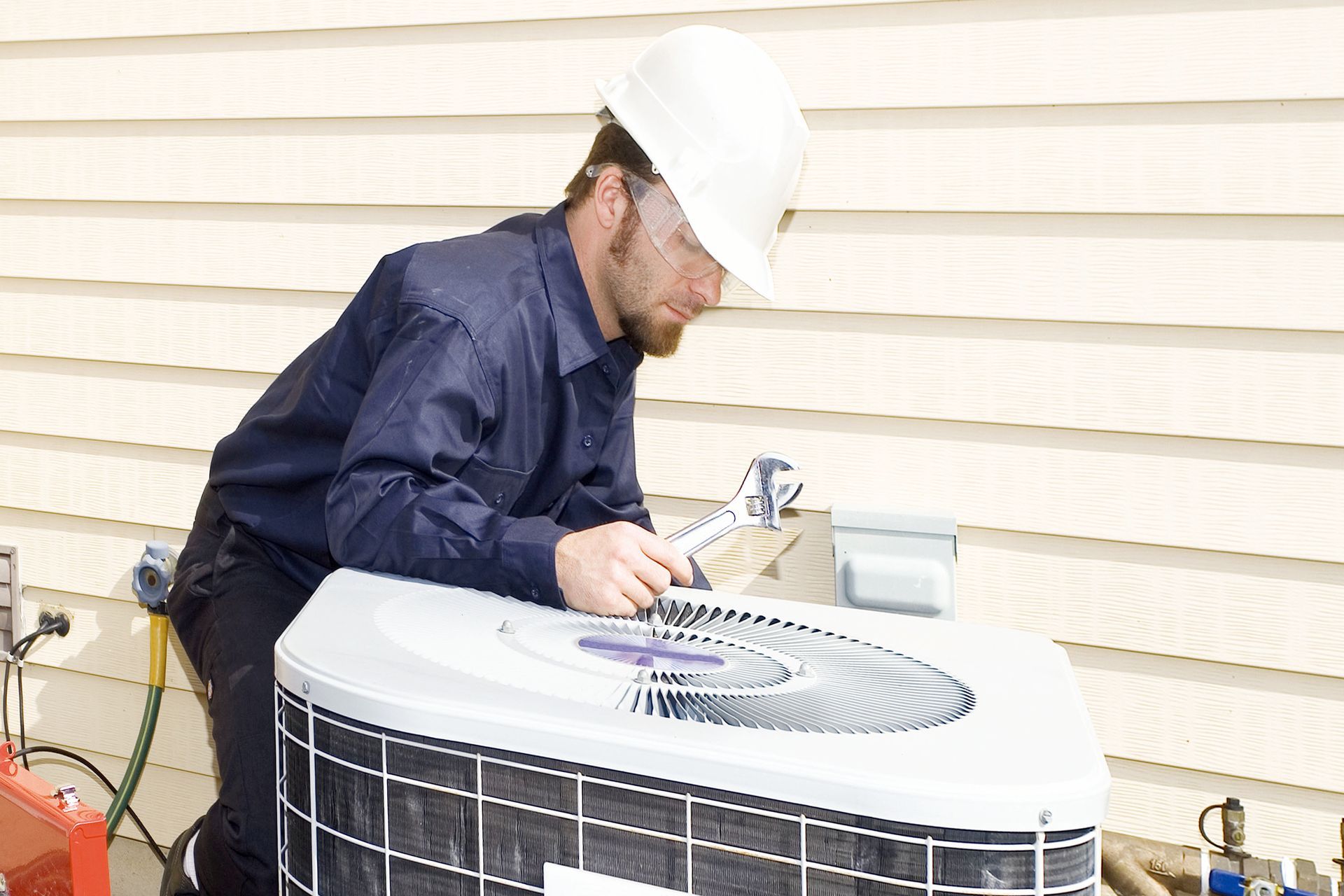
Severe weather events inflict wear on residential heating and cooling infrastructure. Coastal areas expose external units to corrosive salt air, accelerating material degradation. Mountainous zones subject exterior equipment to prolonged freezing conditions and heavy ice accumulation. Technicians familiar with these realities implement specialized protective measures during installation. These proactive measures extend the operational lifespan of expensive residential equipment.
Proper equipment sizing relies on an understanding of local temperature extremes. Oversized units fail to remove humidity, while undersized units struggle during peak temperature days. Accurate load calculations require precise local climate data. According to This Old House, HVAC systems usually last between 15 and 20 years with proper maintenance. Regional experts ensure equipment reaches this lifespan through appropriate sizing and local climate adaptation.
Recommending Ideal System Types
Selecting appropriate climate control hardware dictates long-term indoor comfort and energy efficiency. Different atmospheric zones necessitate distinct mechanical configurations. Heat pumps excel in moderate zones, whereas dual-fuel systems benefit areas experiencing extreme cold. A local HVAC company evaluates local climate data to suggest the most effective hardware configurations. Identifying the optimal system type requires an intrinsic knowledge of regional temperature baselines.
Northern territories demand furnaces capable of overcoming subzero outdoor temperatures. Technicians in these areas prioritize high-efficiency combustion heaters. Southern municipalities require powerful air conditioning units designed for extended operational cycles. Installing a system optimized for a different climate zone results in mechanical failures and inflated energy bills. Regional technicians guarantee the selected hardware matches the rigorous demands of the local environment.
Indoor air quality management varies in major ways based on regional moisture levels. Swamp coolers provide excellent relief in arid zones but cause problems in humid environments. Dehumidification add-ons become essential hardware in coastal and southern municipalities. Localized expertise ensures homeowners purchase complementary air quality devices suited for their specific environment. Community specialists evaluate these moisture variables to recommend adequate ventilation accessories.
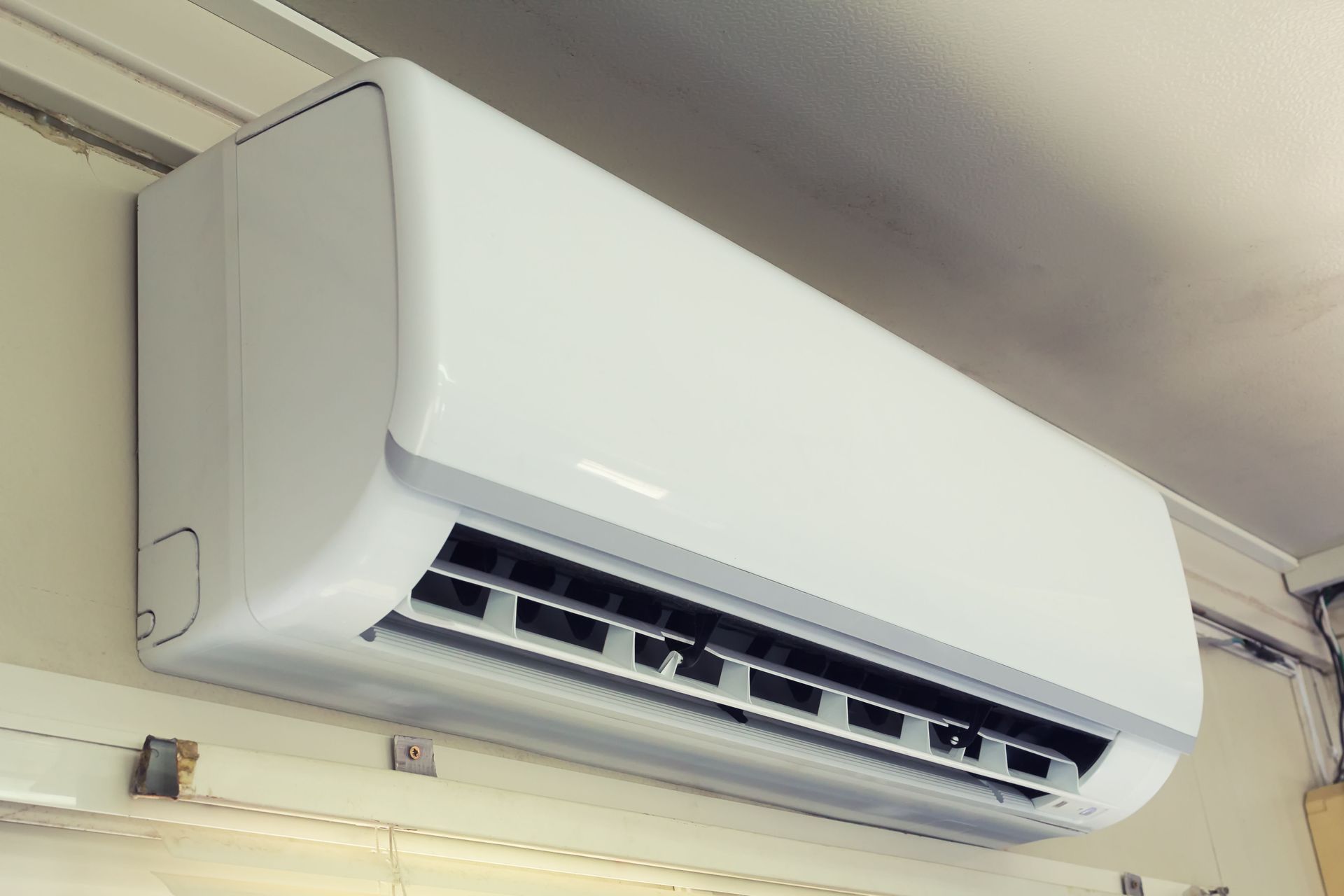
Structural considerations also influence equipment selection in specific geographic regions. Historic homes in older municipalities lack conventional ductwork infrastructure. Technicians operating in such areas incorporate ductless mini-split systems into their service offerings. This tailored approach preserves architectural integrity while delivering modern climate control to residents. Community professionals adapt their hardware recommendations to suit the dominant architectural styles of the region.
Providing Timely Maintenance Solutions
Seasonal shifts dictate the timing of essential heating and cooling tune-ups. Spring maintenance prepares cooling systems for impending summer heat waves. Autumn inspections ensure heating units operate safely before winter freezes arrive. A local HVAC company initiates these service schedules in alignment with community seasonal transitions. Regional professionals anticipate these transitions and prepare residential systems for the upcoming atmospheric shifts.
Environmental debris impacts system performance in distinct ways across distinct geographic locations. Desert environments clog system filters with fine sand and dust particles. Forested areas subject exterior compressor coils to heavy pollen and leaf accumulation. Recognizing these environmental hazards allows technicians to perform targeted cleaning procedures. Community specialists understand which specific pollutants threaten residential heating and cooling equipment in their area.
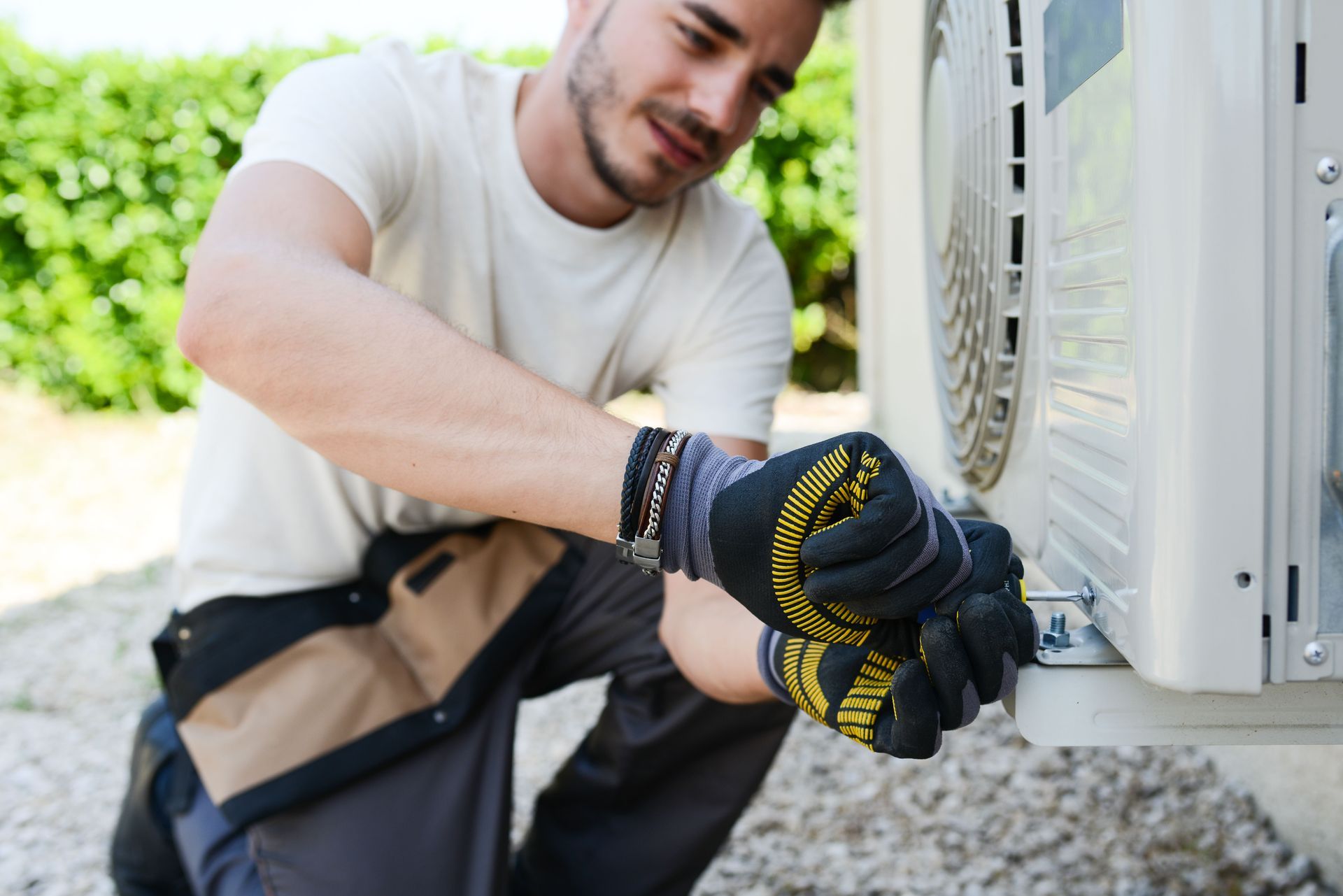
Preventive care minimizes catastrophic system failures during peak operational seasons. Community technicians identify vulnerable components susceptible to specific local weather stressors. Replacing worn belts or tired capacitors before extreme weather hits saves residents from severe discomfort. Technicians with regional experience know which specific parts fail under the pressure of local climate conditions, transforming standard maintenance into an essential protective service.
When unexpected breakdowns occur, proximity becomes an invaluable asset for homeowners. Severe weather events often trigger neighborhood-wide equipment failures. Community-based technicians respond with speed to local emergencies. This prompt response restores essential heating or cooling to vulnerable individuals facing hazardous indoor temperatures. Neighborhood specialists prioritize rapid deployment to protect the health and comfort of their community members.
Navigating Regional Building Codes
Municipal governments enforce specific building regulations governing climate control installations. These codes update on a regular schedule, requiring contractors to maintain continuous awareness. Ignorance of regional building mandates leads to failed inspections and financial penalties. A local HVAC company maintains current knowledge of all municipal code requirements. Regional specialists shield homeowners from the legal consequences of non-compliant mechanical modifications.
Securing proper installation permits forms the foundation of legal residential upgrades. Navigating city halls and county permitting offices requires familiarity with local bureaucratic processes. Established community technicians understand the specific documentation required by local inspectors. Distant contractors lack this institutional knowledge, causing project delays. Neighborhood professionals streamline the bureaucratic requirements, ensuring a smooth transition from equipment purchase to final installation.
Energy efficiency mandates differ across states and local jurisdictions. Certain municipalities restrict the installation of low-efficiency heating appliances to reduce emissions. Others mandate specific duct sealing techniques to minimize energy waste. Community specialists guarantee all installations meet these rigorous regional energy standards. Community-based contractors select machinery and utilize installation techniques that satisfy these local environmental ordinances.
Compliance with municipal codes protects property value and ensures resident safety. Unpermitted work complicates future real estate transactions. Faulty installations lacking municipal oversight present severe fire or carbon monoxide hazards. Regional technicians provide homeowners with documented proof of code compliance and safe operation. Neighborhood experts deliver peace of mind by guaranteeing every mechanical adjustment satisfies the strict demands of regional safety inspectors.
Home environments require customized solutions to achieve ultimate comfort and efficiency. Generic approaches to indoor climate control ignore the diverse atmospheric challenges present across different regions. Specialized knowledge of community weather patterns facilitates superior equipment selection and upkeep. Every regional climate specialist delivers value through precise environmental awareness and targeted mechanical expertise. Homeowners benefit from professionals who integrate regional knowledge into every service call.
Investing in regional expertise protects vital home infrastructure from premature deterioration. Appropriate sizing, strategic maintenance, and code compliance contribute to prolonged equipment functionality. Property owners achieve maximum comfort and financial savings by utilizing a local HVAC company. Tailored climate solutions remain the most effective strategy for managing diverse indoor environmental needs. A localized approach to home comfort proves superior in every geographic region. Reach out to us at Energywise Inc to guarantee your climate control system matches our exact regional weather demands. As your dedicated local HVAC company, we stand ready to provide the precise indoor comfort solutions your home requires.