November 6, 2026
Heating, ventilation, and air conditioning systems help maintain comfortable indoor environments throughout the year. These systems regulate temperatures, circulate air, and support indoor air quality in homes and commercial buildings. Over time, regular use, changing weather, and aging components can affect system performance. Understanding the different types of HVAC assistance available can help property owners recognize when professional attention may be needed. A local HVAC company can help address system concerns, maintain equipment, and support reliable operation through changing seasons. This article explores common HVAC services and how professional assistance can help maintain indoor comfort.
Maintaining Heating Equipment
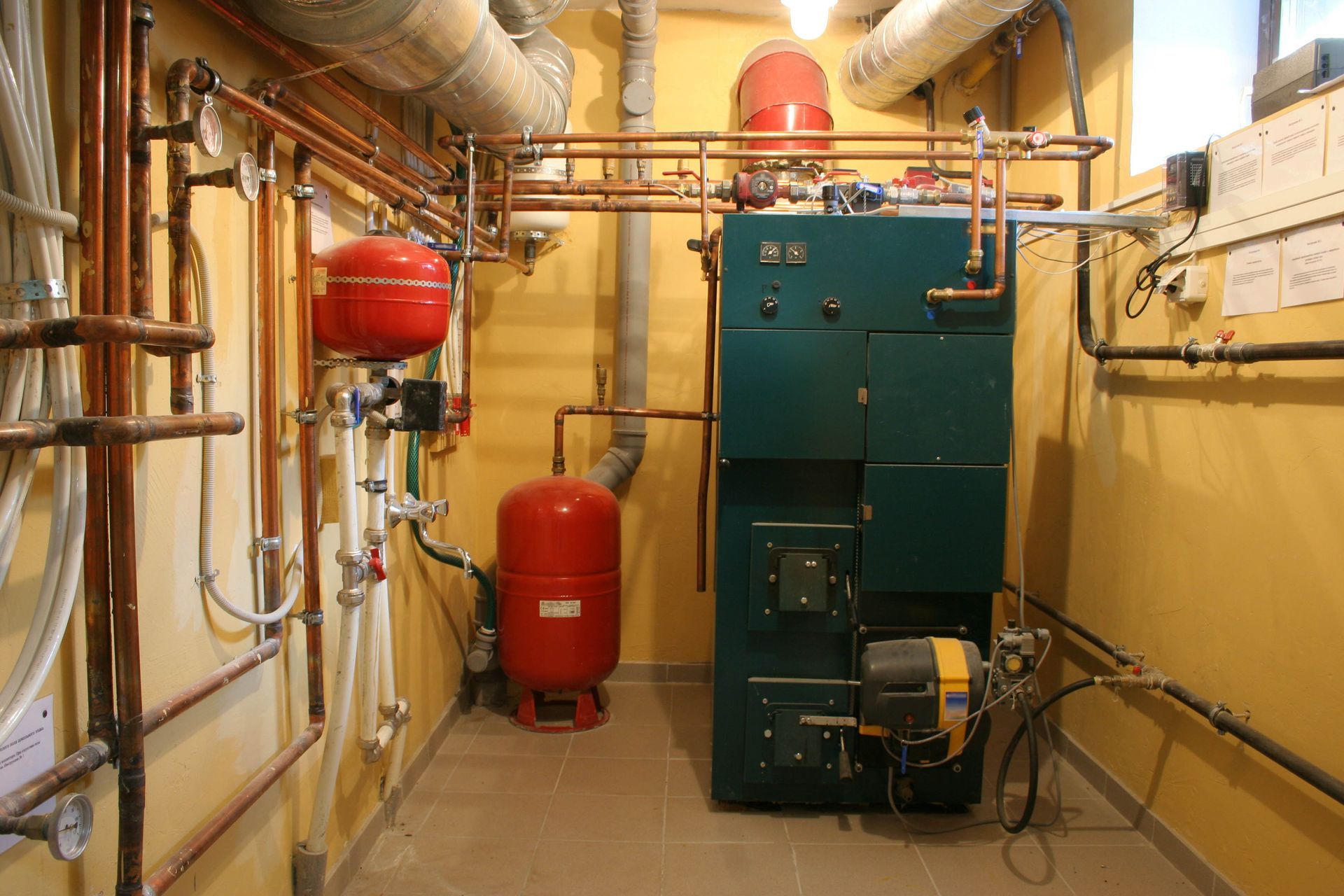
Heating equipment needs regular attention to maintain reliable performance. During colder months, extended use can place added strain on components. Wear, restricted airflow, or electrical concerns may also affect consistent heating. Professional maintenance can identify developing issues by checking system operation, airflow, and signs of wear based on the equipment's needs. Uneven temperatures, slow heating, unusual noises, or unexpected shutdowns may indicate a problem. Prompt attention can help prevent minor concerns from becoming larger disruptions. A local HVAC company can assess the equipment, explain any issues, and recommend appropriate next steps. Regular service also helps property owners understand the system's condition and ongoing maintenance needs.
Improving Air Conditioning Performance
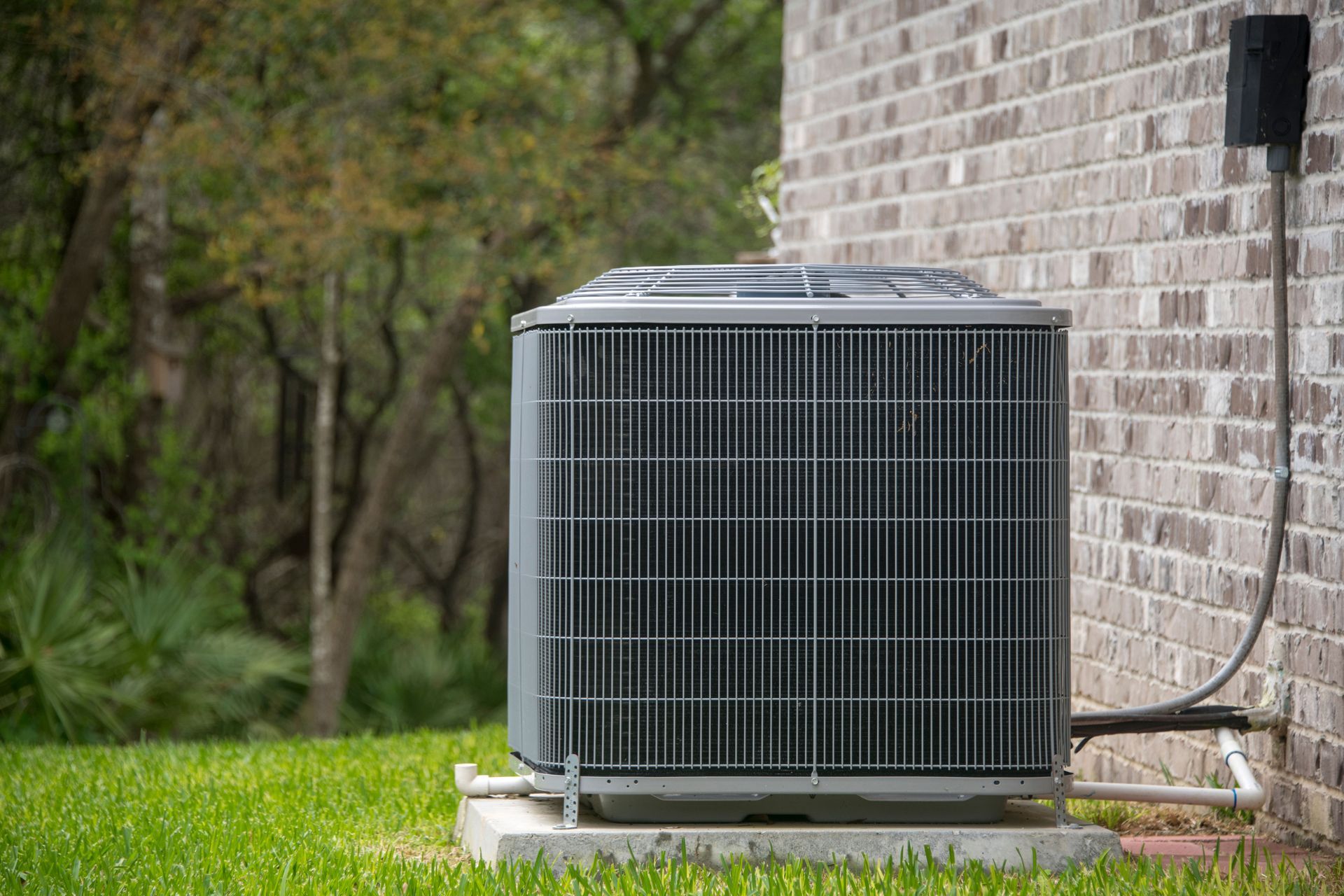
Air conditioning systems remove heat from indoor air to maintain comfortable temperatures. However, restricted airflow, dirty components, electrical problems, refrigerant concerns, or normal wear can affect performance. A system may run continuously without reaching the set temperature or switch on and off too often. When cooling performance changes, a qualified technician can assess the system and determine whether maintenance or repairs are needed. Addressing the cause can restore performance and reduce strain on the equipment. A local HVAC company can also prepare cooling systems for seasonal use. Scheduling maintenance before temperatures rise can help identify concerns early and reduce unexpected interruptions.
Supporting Indoor Air Quality
Indoor air quality affects comfort throughout a building. Dust, airborne particles, excess moisture, and limited ventilation can contribute to an indoor environment that feels stale or uncomfortable. Heating and cooling equipment plays a role in circulating air, but indoor air conditions can also depend on ventilation, building materials, occupancy, and other factors. Professional HVAC assistance can help identify conditions that may affect indoor air quality. For example, airflow problems may prevent air from circulating evenly, while ventilation concerns can contribute to poor air movement. Excess humidity may also affect comfort and create conditions that encourage moisture-related problems.
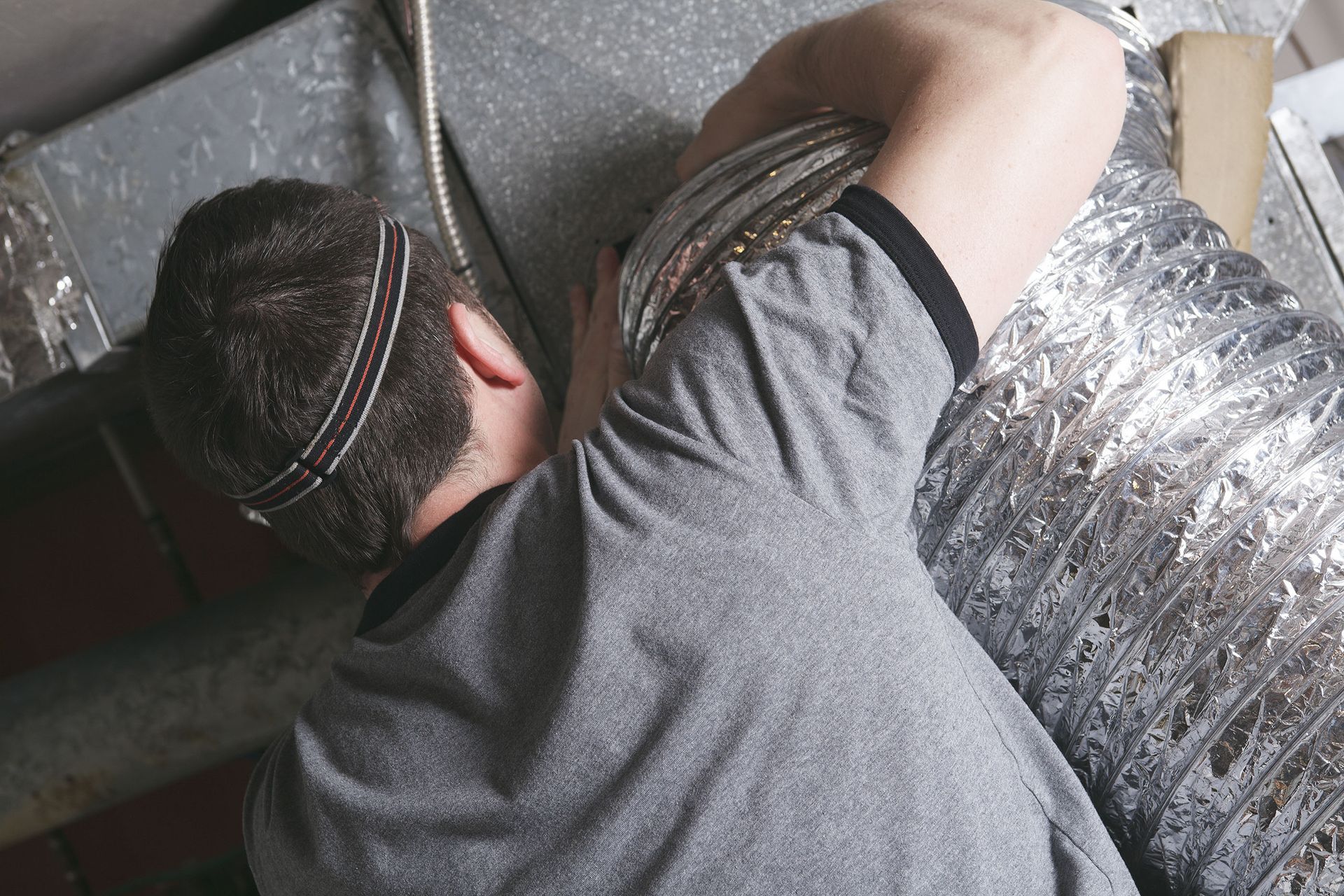
The appropriate response depends on the building and the source of the concern. An HVAC professional can evaluate relevant system components and discuss options for improving air movement or managing humidity. Some indoor air quality concerns may require assistance from other qualified professionals, particularly when they involve significant moisture damage or potential contaminants. A local HVAC company can help property owners understand how their heating, cooling, and ventilation systems affect indoor conditions. Addressing airflow and ventilation concerns can support a more comfortable environment while helping the system operate as intended.
Resolving System Problems
Even well-maintained HVAC equipment can develop problems over time. Electrical components may wear out, moving parts can deteriorate, and system controls may stop responding correctly. Outdoor conditions, frequent operation, and the age of the equipment can also affect reliability. When a system stops working, produces unusual sounds, or fails to maintain indoor temperatures, professional troubleshooting can help identify the cause. A technician may review system controls, inspect accessible components, and test operation to determine what is affecting performance. This process helps distinguish between issues that require a limited repair and those that may involve more extensive work.
Seeking professional help is important when a system shows signs of electrical problems, burning odors, refrigerant concerns, or other potentially hazardous conditions. Continuing to operate equipment with a serious fault may increase the risk of further damage. If a burning smell or other immediate safety concern occurs, follow appropriate safety guidance and arrange qualified assistance. A local HVAC company can explain the problem, discuss available repair options, and provide information about the work involved. Clear communication helps property owners understand the condition of the equipment and make informed decisions about the next steps.
Planning Equipment Replacement
HVAC equipment does not last forever. Over time, aging components may become less reliable, repairs may occur more often, and system performance may decline. When these concerns begin to affect comfort or operating costs, it may be helpful to consider whether replacement is appropriate. The decision depends on several factors, including the equipment's age, repair history, energy use, and ability to meet the building's heating and cooling needs. A system that struggles to maintain comfortable temperatures may not be operating as effectively as it once did. Repeated breakdowns can also create ongoing inconvenience and make future expenses harder to predict.
Professional guidance can help property owners compare the condition of existing equipment with the potential benefits of replacement. A proper evaluation should consider the building's size, layout, insulation, and typical heating and cooling demands. Equipment that is poorly matched to the property may have difficulty maintaining comfort or may operate less efficiently than expected. A local HVAC company can review these factors and explain whether continued repairs or replacement may be the more practical option. Understanding the available choices helps property owners plan for the costs, scheduling, and long-term needs of their systems.
Preparing Systems for Seasonal Changes
Changes in outdoor temperatures affect how often heating and cooling equipment operates. Preparing systems for seasonal demands can help identify problems before the equipment is needed most. A system that has remained unused for several months may require attention before returning to regular operation. Seasonal maintenance can include checking system performance, reviewing airflow, examining visible components, and identifying signs of wear. The exact tasks depend on the equipment and the conditions in which it operates. Regular attention can also help identify issues that may affect comfort or increase the likelihood of an unexpected shutdown.
The need for seasonal preparation can vary by location and property type. Buildings that experience long periods of extreme heat or cold may place greater demands on their HVAC equipment. Commercial properties with extended operating hours may also require a maintenance schedule that reflects their usage. According to the United States Bureau of Labor Statistics, more than 440,000 HVAC mechanics and installers work in the United States. This workforce supports the ongoing need for heating, cooling, and ventilation systems across residential and commercial settings. Qualified HVAC professionals help maintain equipment, investigate problems, and support the continued operation of these essential systems. Working with a local HVAC company can help property owners prepare for seasonal changes and address system concerns before temperatures become uncomfortable. Planning maintenance ahead of peak demand can also make scheduling easier.
Managing Long-Term HVAC Care
HVAC systems benefit from regular attention throughout their operating life. Routine evaluations, timely repairs, and maintenance records can help identify recurring problems and manage equipment needs. Maintenance recommendations depend on the system's condition, age, and usage. Following appropriate guidance can support reliable operation and reduce disruptions. Heating, cooling, and ventilation work together to maintain indoor comfort, so temperature concerns may stem from airflow, system controls, or other issues. A local HVAC company can help plan maintenance, address performance changes, and determine when repairs or replacement may be needed. Regular care can improve reliability and help manage future expenses.
Heating, cooling, ventilation, and system maintenance all contribute to comfortable indoor environments. Professional HVAC assistance can help property owners address equipment problems, maintain performance, improve airflow, and prepare for seasonal changes. Understanding the available services makes it easier to recognize when a system needs attention and plan for its long-term care. For help with maintaining your heating and cooling system, contact Energywise Inc today to discuss your needs with our local HVAC company.