July 1, 2026
Energy efficiency has become a major priority for homeowners seeking to reduce utility costs and improve indoor comfort. While insulation, windows, and appliances all contribute to a home's performance, the heating and cooling system often has one of the greatest impacts on energy consumption. HVAC equipment operates throughout the year to maintain comfortable temperatures regardless of outdoor conditions. When these systems function efficiently, homeowners may experience lower operating costs and more consistent comfort.
However, outdated equipment, neglected maintenance, and improper sizing can significantly affect overall performance. Understanding the connection between HVAC systems and household energy use helps homeowners make informed decisions. Small improvements can often lead to noticeable benefits over time. Working with the best HVAC company can provide valuable insight into maximizing efficiency throughout the home. Many homeowners are surprised to learn how even minor adjustments can significantly influence monthly energy bills. With the right approach, comfort and efficiency can be improved at the same time.
1. Maintaining Proper System Sizing
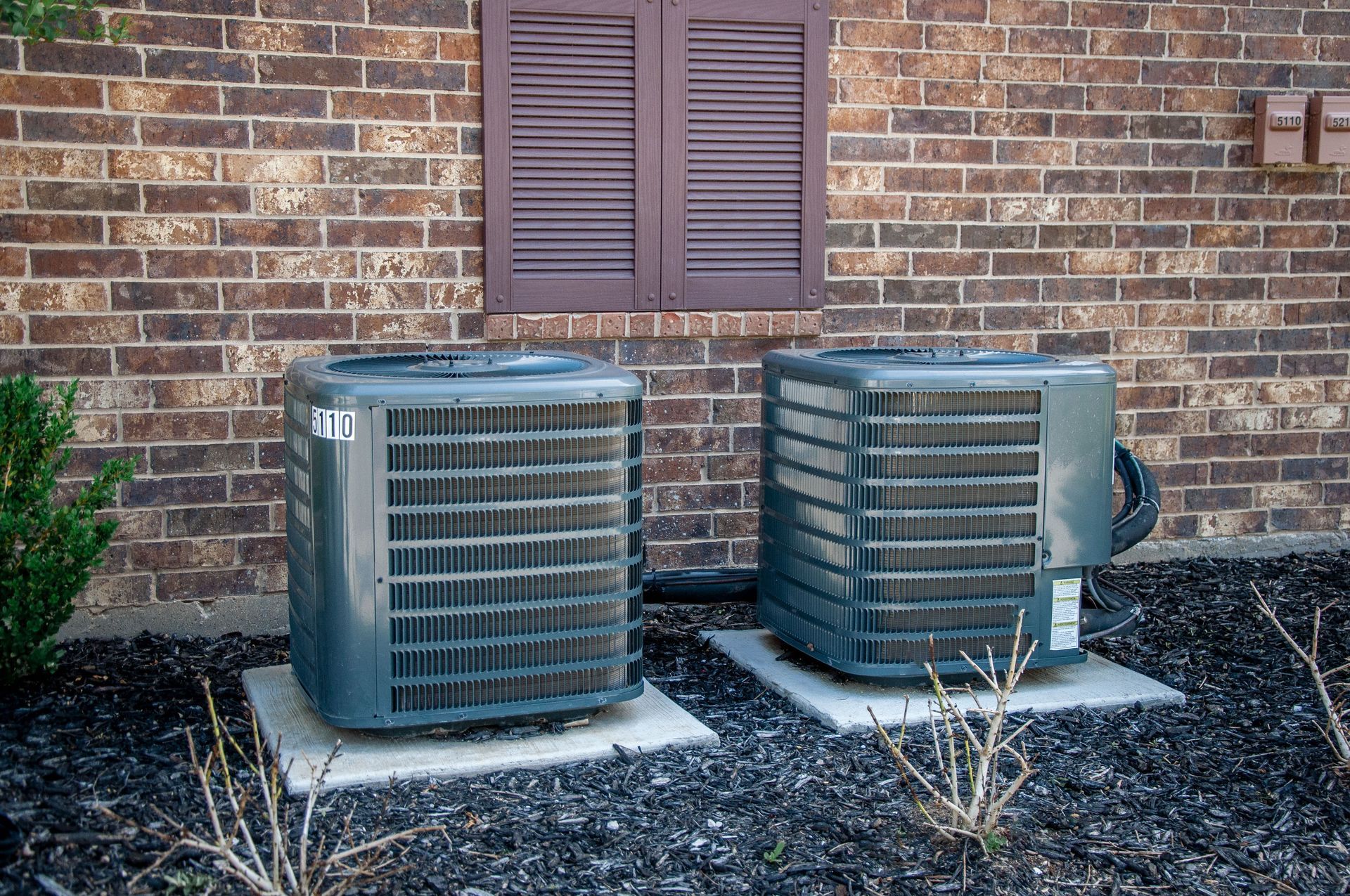
The size of an HVAC system directly influences how efficiently it operates. Equipment that is too small may struggle to keep up with heating and cooling demands during extreme temperatures. Systems that are too large can cycle on and off too frequently, wasting energy and increasing wear on components. Proper sizing takes into account factors such as square footage, insulation levels, ceiling height, and window placement. Accurate calculations help ensure that equipment matches the home's unique requirements. Balanced performance contributes to more stable indoor temperatures and improved comfort. Homeowners who prioritize appropriate system selection often experience better efficiency and reduced operating expenses. Consulting the best HVAC company can help determine the ideal equipment capacity for long-term performance.
2. Scheduling Routine Maintenance Visits
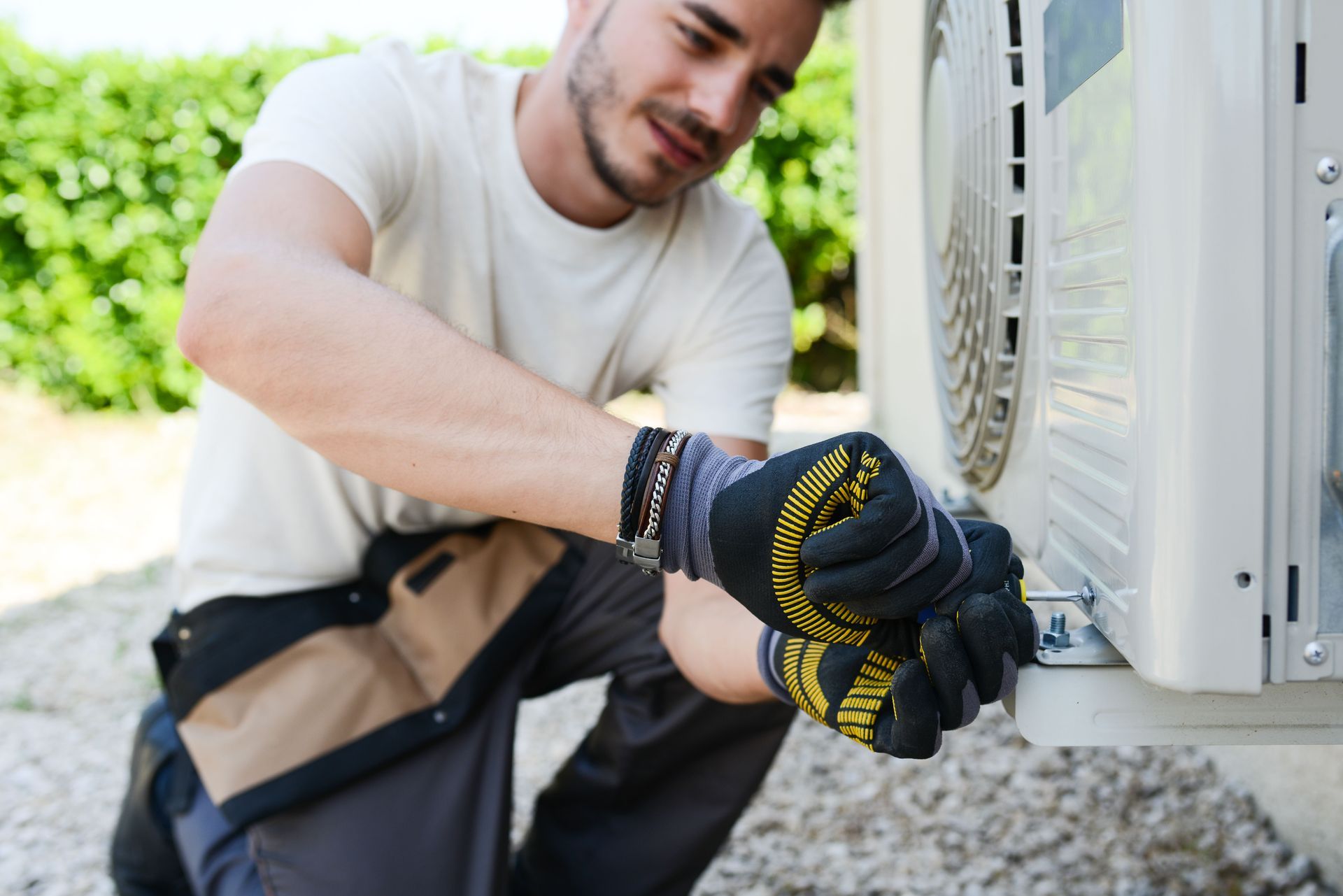
Regular maintenance remains one of the simplest ways to support energy efficiency. Dust accumulation, worn components, and minor mechanical issues can gradually reduce system performance. Seasonal inspections allow technicians to identify concerns before they develop into costly repairs or breakdowns. Cleaning coils, checking refrigerant levels, and inspecting electrical connections all contribute to optimal operation. Well-maintained systems generally require less effort to achieve desired temperatures. Preventive care may also extend the lifespan of valuable equipment. Establishing a maintenance schedule encourages consistent performance throughout the year. The best HVAC company can provide professional service designed to support reliability and efficiency.
3. Replacing Air Filters Consistently
Air filters play an important role in maintaining airflow and indoor air quality. Over time, filters collect dust, pollen, pet dander, and other airborne particles. When these materials accumulate excessively, airflow becomes restricted and the system must work harder. Increased strain often leads to higher energy consumption and unnecessary wear. Replacing filters according to manufacturer recommendations supports efficient operation and cleaner indoor environments. Homeowners may also notice improved comfort and reduced dust accumulation throughout the home. This simple maintenance task requires minimal effort yet provides meaningful benefits. Guidance from the best HVAC company can help homeowners identify appropriate filter types and replacement schedules.
4. Upgrading to Energy-Efficient Equipment
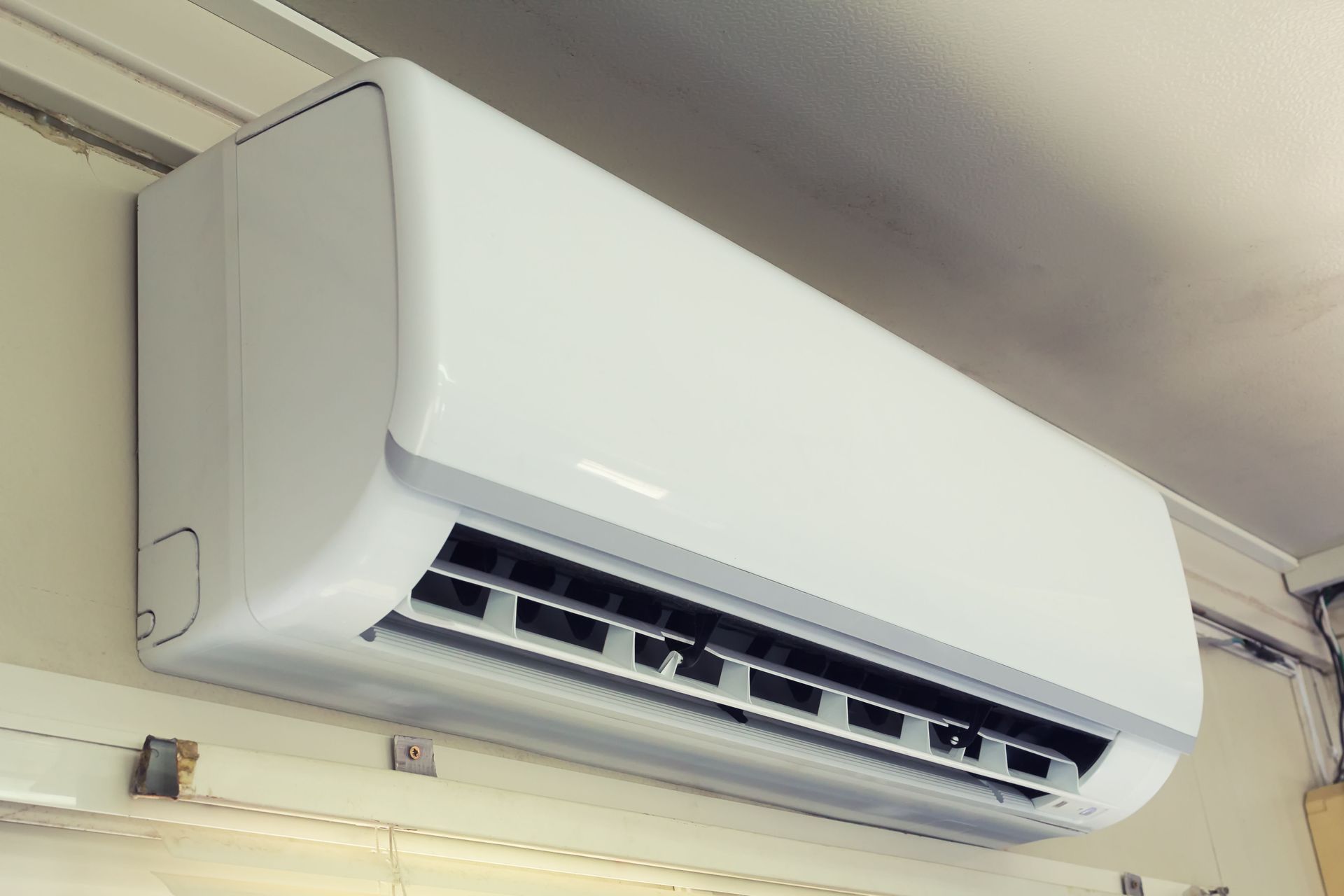
Advancements in HVAC technology have introduced equipment designed to improve energy performance significantly. Modern systems often incorporate features that optimize operation while reducing unnecessary energy use. Variable-speed motors, smart controls, and enhanced compressor designs contribute to improved efficiency. According to HomeGuide, HVAC systems commonly feature Seasonal Energy Efficiency Ratio ratings ranging from 13 to 26, depending on the specific brand and model selected. Understanding these ratings helps homeowners compare equipment and evaluate potential performance differences. Investing in updated technology may result in lower utility costs and enhanced comfort. Although replacement represents a substantial decision, long-term benefits often justify the investment. Partnering with the best HVAC company ensures access to knowledgeable recommendations tailored to individual needs.
5. Improving Thermostat Management Practices
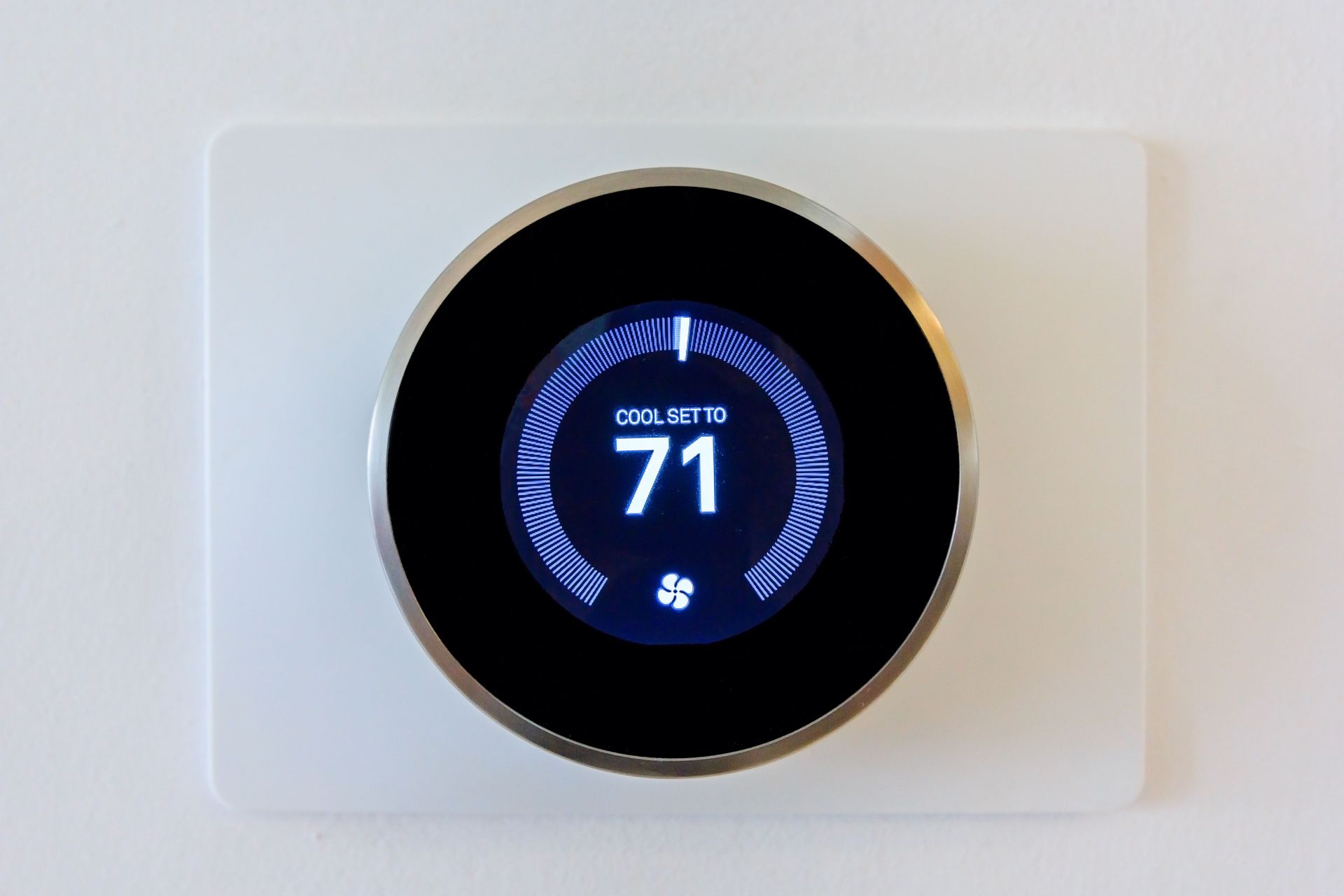
Thermostat settings influence how frequently HVAC systems operate throughout the day. Unnecessary adjustments and extreme temperature preferences can increase energy consumption. Programmable and smart thermostats help homeowners maintain comfort while minimizing waste. Automated schedules allow temperatures to align with occupancy patterns and daily routines. Some systems even provide remote access through mobile applications for additional convenience. Consistent settings reduce excessive cycling and support stable indoor conditions. Thoughtful thermostat management encourages efficient system operation without sacrificing comfort. The best HVAC company can recommend control options that complement a household's lifestyle and efficiency goals.
6. Enhancing Airflow Throughout the Home
Proper airflow is essential for distributing conditioned air effectively. Blocked vents, closed registers, and obstructed return pathways can interfere with circulation and compromise performance. Uneven airflow often causes certain rooms to feel warmer or cooler than others. Homeowners may respond by adjusting thermostat settings, inadvertently increasing energy usage. Keeping vents clear and ensuring adequate circulation supports balanced temperatures throughout the home. Duct inspections can also identify leaks or restrictions that reduce efficiency. Addressing airflow concerns contributes to improved comfort and optimized performance. Evaluations from the best HVAC company can uncover opportunities to enhance system effectiveness.
7. Strengthening Ductwork Performance
Ductwork serves as the delivery system responsible for transporting heated and cooled air throughout the house. Leaks, gaps, and poor insulation can allow conditioned air to escape before reaching occupied spaces. These inefficiencies force HVAC equipment to operate longer than necessary. Sealing and insulating ducts helps preserve energy and improve temperature consistency. Routine inspections identify issues that may otherwise remain hidden behind walls or ceilings. Efficient duct systems contribute to better indoor comfort and reduced utility expenses. Homeowners often underestimate the influence of ductwork on overall performance. Assistance from the best HVAC company can ensure this critical component receives appropriate attention.
8. Supporting Whole-Home Energy Strategies
HVAC systems function most effectively when integrated into broader energy efficiency efforts. Insulation improvements, weather sealing, and efficient windows complement heating and cooling performance. Reducing unwanted heat transfer lessens the workload placed on equipment. Ceiling fans and strategic shading can further support indoor comfort during seasonal changes. Combining multiple efficiency measures often produces greater benefits than focusing on a single upgrade. Homeowners who adopt a comprehensive approach may experience enhanced savings and improved living environments. Understanding how different elements interact encourages smarter investment decisions. The best HVAC company can help coordinate solutions that contribute to long-term energy success.
HVAC systems influence nearly every aspect of a home's energy performance. From proper sizing and routine maintenance to airflow optimization and thermostat management, numerous factors determine how efficiently equipment operates. Small improvements can produce meaningful benefits in comfort, reliability, and utility costs over time. Understanding the relationship between HVAC performance and household energy use empowers homeowners to make informed choices that support their goals. Whether upgrading aging equipment or implementing preventive maintenance practices, proactive attention contributes to lasting results. Energy efficiency is not achieved through a single action but through a combination of thoughtful decisions that work together to improve the home environment.
Taking the next step toward better energy performance often starts with a simple evaluation of your current system. A professional assessment can reveal hidden inefficiencies that may be increasing monthly utility costs without obvious signs. By addressing these issues early, homeowners can avoid unnecessary strain on equipment and improve long-term reliability.
If you're ready to improve comfort and reduce energy waste, contact Energywise Inc today. Our experienced professionals can assess your current system, recommend practical solutions, and help you maximize efficiency throughout your home. Let us show you why homeowners rely on their expertise to create healthier, more energy-conscious living spaces.