November 5, 2026
Incorporating a geothermal heating and cooling system into an existing home offers an exceptional opportunity to cut energy consumption and lower carbon footprints across the U.S. and surrounding regions. Unlike conventional combustion furnaces or standard air conditioners, geothermal systems tap into the steady thermal energy beneath the earth's surface. However, transitioning an older property to ground-source heat pump technology requires a careful look at the distribution infrastructure already in place, specifically the home's air duct system.
Geothermal Fundamentals
Understand Underground Heat Transfer
Geothermal heat pump systems take advantage of the relatively constant temperature of the earth below the frost line. Instead of generating heat directly by burning fuel or relying on ambient outdoor air that fluctuates with seasonal extremes, these systems transfer thermal energy between the ground and the living space. Understanding these underground dynamics helps property owners appreciate how steady thermal transfer works throughout the year.
An indoor heat pump connects to an underground loop system containing a circulating heat-transfer fluid. In the winter, the fluid absorbs heat from the earth and carries it to the indoor unit, which concentrates the thermal energy and distributes it through the home. During summer months, the process reverses: heat is extracted from indoor air and deposited back into the cooler earth. This continuous exchange delivers consistent, quiet, and reliable temperature control year-round.
Maximize Efficiency and Durability
According to the University of Michigan Center for Sustainable Systems, geothermal systems use 75% less energy than traditional heating and cooling systems. Because geothermal equipment moves existing heat rather than combusting fuel, modern geothermal installations operate at exceptional efficiency levels. This reduced energy demand directly lowers monthly operating expenses and eliminates on-site fossil fuel emissions throughout the United States.
Geothermal installations also offer outstanding longevity that surpasses many alternative HVAC options. Because the indoor heat pump remains sheltered from exterior weather elements, it typically outlasts conventional outdoor air conditioning condensers. The underground pipe loops are constructed from durable, high-density polyethylene designed to last for decades, providing a long-term, stable heating and cooling infrastructure.
Compare Loop Configurations
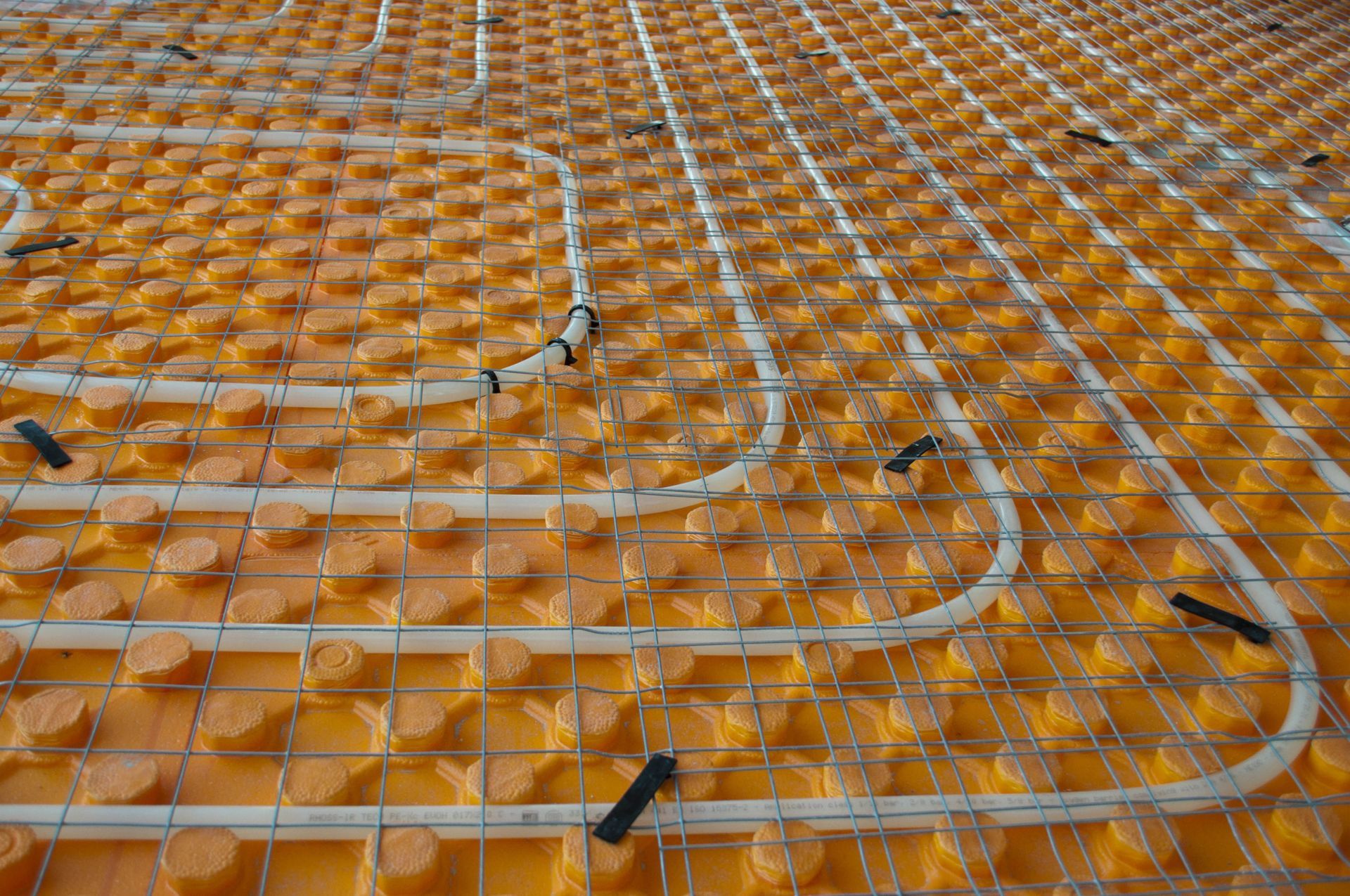
Geothermal installations most commonly rely on closed-loop piping systems. In these configurations, a sealed continuous loop of high-density pipe circulates a water-based solution through the ground to absorb or reject heat. Depending on lot size, soil conditions, and available yard space, loops are oriented either horizontally or vertically.
Residential Ductwork
Identify Common Duct Configurations
Most existing residential HVAC systems utilize a network composed of central trunk lines and vents. Rigid sheet metal, fabricated from galvanized steel, is typically used for the primary supply and return plenums. Rigid trunks offer smooth interior surfaces that reduce resistance and maintain balanced static pressure as air moves away from the air handler.
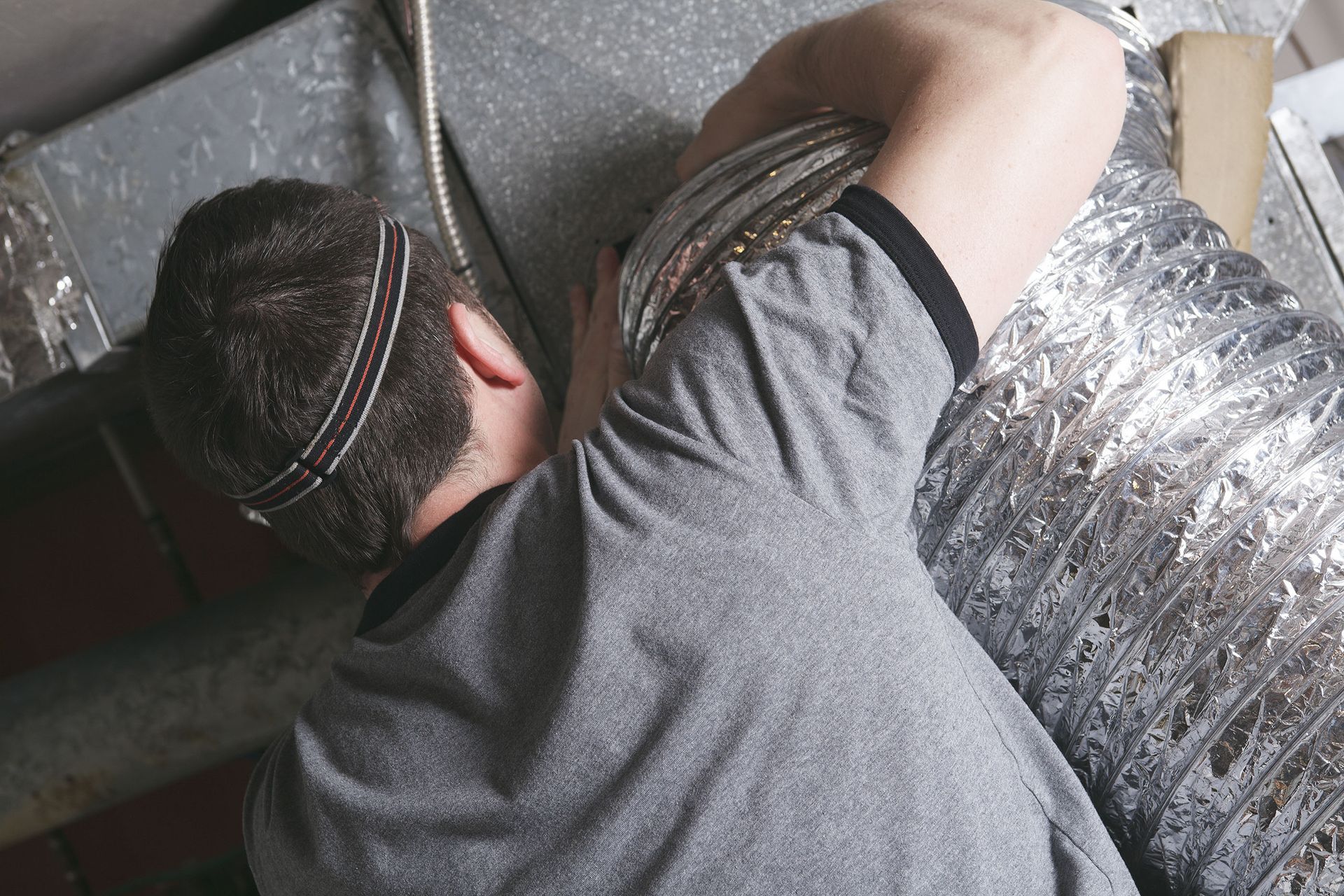
Air vents, which carry air from the main trunk to supply registers in individual rooms, often use insulated flexible ducting. While flexible ducts allow installers to route around framing, joists, and tight attic or crawlspace corners, proper installation is critical. Sharp turns, pinched sections, or unsupported sags can create airflow restrictions that compromise system performance. Inspecting these pathways ensures unhindered air distribution to every room.
Evaluate Duct Materials and Airflow
Galvanized steel ductwork remains the industry standard for durability and airflow performance. It maintains its structural integrity under variable air pressures and is resistant to sagging or collapsing over time. However, older sheet metal installations frequently suffer from unsealed seams, loose connections, or degraded insulation, all of which contribute to conditioned air loss.
Flexible ducting features an internal spring wire helix wrapped in a multi-ply polyester or foil laminate jacket, encased in fiberglass insulation. While flexible runs streamline installation in tight spaces, they produce more friction than smooth metal. When transitioning to high-efficiency equipment, flexible runs must be inspected to ensure they are stretched tight, properly supported, and sized adequately.
Compatible Systems
Calculate Size and Airflow Requirements
The primary technical hurdle in retrofitting geothermal equipment to existing ducts is airflow capacity. Traditional fossil-fuel furnaces heat air to high temperatures (often 120°F to 140°F) and distribute it at lower volumes. Geothermal heat pumps deliver air at gentler, steady temperatures (typically 90°F to 105°F), requiring a higher volume of air circulation, measured in cubic feet per minute (CFM), to satisfy the home's heating load.
If existing supply or return ductwork is undersized, it creates high static pressure against the geothermal air handler's blower motor. This bottleneck restricts airflow, increases electrical draw, introduces blower noise, and prevents the system from evenly heating or cooling the home. Accurately calculating duct static pressure determines whether existing trunks can handle the required CFM or if modifications are necessary.
Balance Return Air Capacity
Return air capacity is just as vital as supply air capacity. Many older homes were built with undersized return air ducts or rely on a single central return grill that starves the air handler of air. Geothermal installations demand adequate return air pathways to keep heat exchangers functioning within designed temperature ranges.
Adding dedicated return runs in high-demand areas or enlarging return drop plenums near the air handler relieves static pressure, improves air filtration effectiveness, and ensures balanced indoor air pressure across all closed rooms. Balanced return flow also mitigates draftiness and drafts between different levels of the property. This structural harmony promotes long-term mechanical reliability.
Seal and Insulate Existing Ducts
Duct leakage compromises overall mechanical efficiency. Because geothermal systems circulate air continuously at consistent volumes, any unsealed seams or joints will draw unconditioned air into the ductwork or push heated and cooled air out into unconditioned structural cavities. Professional duct sealing using mastic paste or specialized tape closes these breaches.
Thermal insulation around ducts located in unconditioned spaces, such as attics, garages, or crawlspaces, is equally critical. Insulating these runs prevents conductive heat loss during winter and prevents exterior condensation and heat gain during humid summer months. Proper insulation keeps conditioned airflow at the desired delivery temperature.
Practical Solutions
Fabricate Custom Sheet Metal Transitions
When an evaluation indicates that existing trunk lines are too restrictive for geothermal airflow requirements, custom sheet metal fabrication resolves the issue. Technicians can enlarge primary supply and return plenums, reconfigure transitions directly off the air handler, and replace restrictive rectangular fittings with aerodynamic turning vanes. These custom modifications allow airflow to travel with minimal resistance.
Custom duct modifications reduce turbulence and static resistance right at the source, allowing the new system to circulate higher air volumes smoothly and quietly without requiring a whole-home duct overhaul. Upgrading transitions preserves the existing branch network whenever feasible. This targeted approach balances cost, installation time, and distribution capacity.
Integrate HVAC Zoning Systems
For multi-story homes or layouts with uneven heating and cooling demands, integrating motorized zone dampers into the ductwork offers precise temperature control. A zoned configuration divides the home into distinct thermal areas governed by dedicated thermostats. This division ensures personalized comfort throughout the entire property.
By directing conditioned air specifically to occupied areas or balancing temperature variations between sunny and shaded rooms, zoning reduces unnecessary system runtime and eliminates the hot and cold spots common in older duct layouts. Zoned air management supports optimal equipment cycles and maximizes efficiency. Homeowners gain full control over individual living zones.
Upgrading to a geothermal heat pump remains a practical investment for reducing carbon footprints while locking in dependable, year-round utility savings. Although transitioning an existing structure requires addressing airflow volume, static pressure, and duct insulation, tailored modifications and custom sheet metal work ensure your home distributes renewable heating and cooling seamlessly. If you are ready to explore sustainable comfort for your Nassau or Suffolk County property, turn to Energywise Inc. to learn more about our comprehensive geothermal installations, whole-home energy audits, and custom ductwork solutions.