October 8, 2026
When severe winter weather arrives, homeowners often worry about maintaining comfortable indoor temperatures without driving energy bills through the roof. Traditional heating systems have long been the default solution for frigid climates, but ongoing advancements in HVAC engineering have changed the landscape significantly. Ductless systems have evolved from seasonal backup units into powerful year-round heating solutions capable of operating effectively even in sub-zero environments. Understanding how these systems maintain warmth during harsh winter storms requires looking closely at modern engineering breakthroughs. By evaluating the mechanics of advanced cold-climate equipment, homeowners can discover efficient ways to keep their living spaces cozy.
Understanding the Evolution of Heat Pump Capabilities
Traditional heat pumps historically struggled as outdoor temperatures plunged toward freezing, leading many homeowners to assume that electric heating was impractical in colder regions. Early designs lost significant efficiency when forced to draw heat from freezing ambient air, often requiring energy-hungry supplemental heating coils to maintain indoor comfort. Modern engineering has completely transformed this dynamic by optimizing refrigerant movement and mechanical drive systems for low-ambient conditions. Today, a high-performance mini split can extract ambient heat energy from outside air even when temperatures drop well below zero degrees Fahrenheit. These technological leaps allow all-electric heat pump systems to perform reliably in harsh northern climates.
Examining Inverter Compressors and Variable Speeds
At the heart of low-temperature performance sits the variable-speed inverter compressor, which dynamically adjusts its output based on immediate heating demands. Unlike single-stage systems that cycle continuously on and off at full power, inverter technology modulates motor speed continuously to match exact thermal requirements. Running at variable speeds minimizes electrical spikes while steadily pumping heat into living areas without dramatic temperature swings. This steady operation enables a modern mini split to ramp up performance precisely when freezing winds blow against exterior walls. By avoiding constant stop-and-start cycles, the equipment operates with maximum mechanical efficiency while preserving internal component life.
Analyzing Vapor Injection and Refrigerant Dynamics
To maintain steady heat output during severe freezing conditions, manufacturers incorporate flash vapor injection technology into modern refrigerant circuits. Cold outdoor air weakens standard refrigeration cycles, but injecting mid-pressure vapor directly into the compressor prevents performance drop-offs during extreme weather events. This process boosts discharge temperatures while keeping the compressor cool enough to operate safely under intense pressure loads. A properly equipped mini split utilizes this continuous thermal boost to generate substantial heating output when standard systems fail. Consequently, homeowners enjoy dependable heat distribution through peak winter freezes without relying on auxiliary resistance heat strips.
Evaluating Energy Ratings and Overall Efficiency
Evaluating efficiency benchmarks reveals why ductless technology continues gaining traction among homeowners looking to lower monthly utility expenditures. Advanced variable-speed controls allow ductless equipment to deliver superior seasonal ratings compared to traditional central forced-air infrastructure. According to the Department of Energy, ducted heat pumps typically achieve efficiency ratings between 15.2 to 25 SEER2, while ductless mini-splits can achieve ratings between 15.2 and 35 SEER2. Eliminating thermal losses associated with uninsulated ductwork helps ductless equipment capture higher performance ratings easily. Selecting high-efficiency systems ensures long-term operational savings alongside consistent climate control.
Exploring Intelligent Defrost Systems and Freeze Prevention
Frost accumulation on exterior coils presents a physical challenge during damp winter conditions, requiring smart operational strategies to prevent ice buildup. Older heating units relied on mechanical timers that initiated defrost cycles at fixed intervals regardless of actual frost accumulation, wasting operational energy. Contemporary units use intelligent sensors that monitor coil temperatures, pressure differentials, and outdoor humidity to trigger defrosting only when necessary. An advanced mini split reverses refrigerant flow briefly while utilizing targeted base pan heaters to clear ice quickly without cooling interior living rooms. Intelligent defrost cycles ensure continuous heating availability during winter storms.
Optimizing Zoning Control for Maximum Winter Comfort
Independent zone control offers another significant advantage when managing home comfort during periods of prolonged sub-zero weather. Ductless systems allow occupants to customize temperatures in individual rooms rather than heating empty square footage throughout the house. Managing individual zones prevents energy waste in less frequently used rooms while concentrating thermal output where families gather most. Installing a multi-zone mini split layout ensures targeted warmth across bedrooms, home offices, and living spaces without straining central equipment. Precise temperature control keeps every room comfortable without forcing the compressor to work harder than necessary.
Selecting Proper Equipment for Freezing Climates
Choosing the right equipment size and heating capacity remains critical for achieving reliable performance during historical weather events. Sizing calculations must account for local climate extremes, home insulation levels, window thermal performance, and total square footage requiring heat. Installing an undersized system forces components to run constantly at maximum capacity, while oversized equipment can cause unnecessary thermal cycling and elevated humidity issues. HVAC professionals evaluate regional winter design temperatures to recommend appropriate models rated for extreme cold. Proper equipment selection ensures consistent heating performance without overwhelming household electrical infrastructure during severe freezes.
Implementing Maintenance Practices for Peak Winter Performance
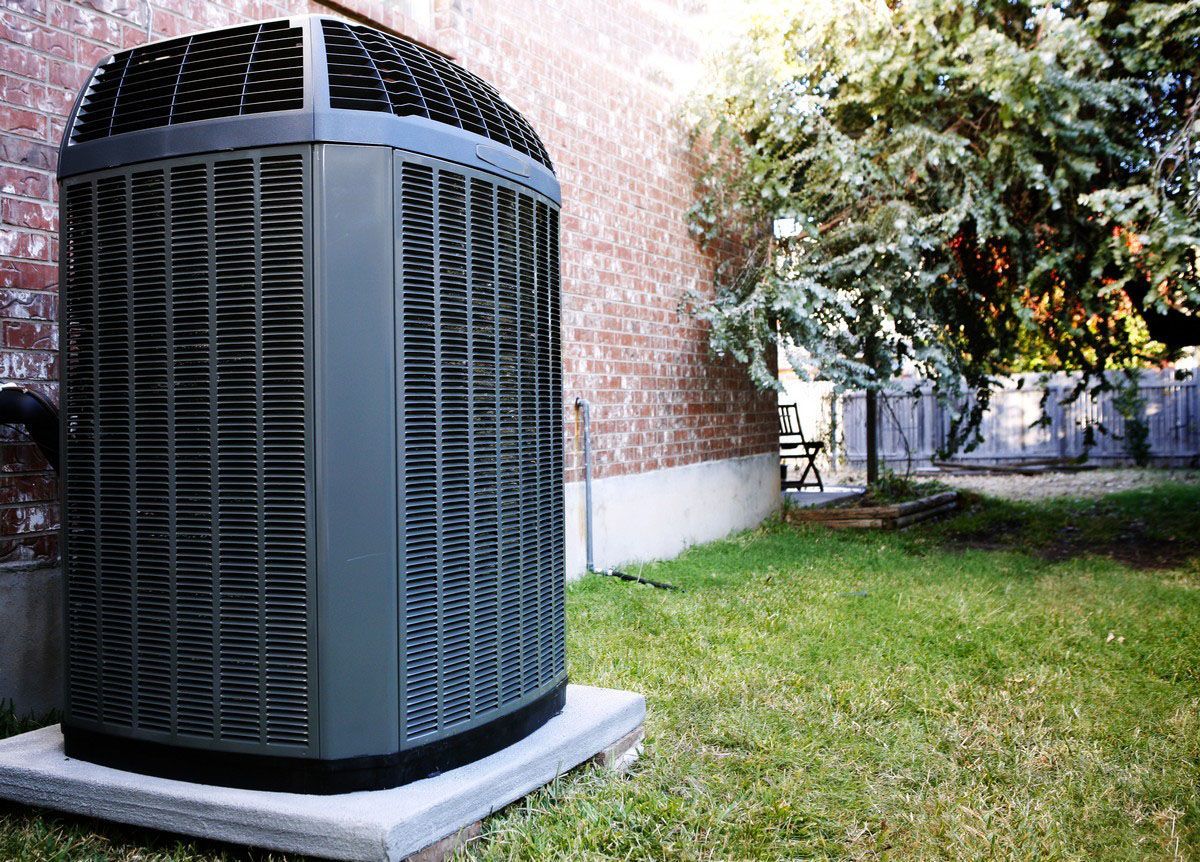
Routine preventative maintenance ensures high-performance heating equipment operates at peak output throughout the coldest months of the year. Keeping outdoor condenser units elevated above typical snowfall accumulation levels prevents ice blockages from disrupting essential airflow paths. Homeowners should regularly inspect outdoor coils for debris, clear away drifts after major blizzards, and keep interior filters clean. Scheduling professional annual checkups allows technicians to verify refrigerant pressures, clean internal blowers, and inspect electrical connections before winter arrives. Proper maintenance guarantees optimal thermal transfer while protecting long-term mechanical reliability through severe weather conditions.
Assessing Financial Benefits Through Utility Savings
Investing in cold-climate heat pump technology delivers substantial financial returns over time by reducing dependence on expensive fossil fuels like oil or propane. High-efficiency electrical operation offsets initial installation costs through month-after-month reductions in heating bills during peak heating seasons. Many local utility companies offer attractive rebates and financial incentives for homeowners transitioning to energy-efficient electric heating infrastructure. Lowering operational expenses while increasing overall home comfort makes modern heat pump technology an economically compelling home improvement project. Sustainable energy performance protects homeowners against volatile fossil fuel markets for years to come.
Looking Toward the Future of Residential Heating
The rapid evolution of cold-climate heat pump technology represents a permanent shift toward electrification and sustainable residential climate control solutions. Ongoing research in compressor design, eco-friendly refrigerants, and smart home integration continues to expand what heat pumps can achieve in severe climates. Modern homes no longer require bulky central furnaces or dirty fuel delivery systems to stay safe during historic cold snaps. Embracing advanced mini split technology allows households to enjoy clean, quiet, and exceptionally efficient indoor warmth all winter long. As technology continues advancing, all-electric heating will remain the premier choice for cold-weather comfort.
Upgrading to an advanced cold-climate heating system delivers long-term financial benefits that extend far beyond monthly utility savings. Modern home buyers increasingly prioritize energy efficiency, smart climate controls, and low-carbon footprints when evaluating potential property investments. Installing a versatile mini split system enhances overall property desirability by providing reliable year-round heating alongside high-efficiency summer cooling. Furthermore, homes equipped with modern electric heat pumps often earn higher green building certifications and attract eco-conscious buyers in competitive real estate markets. Investing in efficient heating infrastructure ultimately protects property resale value while providing immediate comfort, performance, and peace of mind during harsh winter months.
Are you seeking a reliable HVAC company to install a mini split in your home in Nassau and Suffolk Counties, NY, and the surrounding areas? Look no further than the HVAC experts at Energywise Inc! Contact us today to schedule your next service appointment.