November 4, 2026
Heating and cooling systems play an important role in maintaining a comfortable home throughout the year. However, conventional HVAC equipment can consume considerable energy, especially during periods of extreme temperatures. Homeowners looking for efficient alternatives may benefit from exploring geothermal heating and cooling technology. These systems use the relatively stable temperatures beneath the Earth's surface to transfer heat between the ground and a home's interior. Professional geothermal installations can provide dependable temperature control while offering advantages related to energy efficiency, operating costs, environmental impact, and long-term performance.
Improving Household Energy Efficiency
One of the primary advantages of geothermal heating and cooling is its efficient use of energy. Instead of generating heat through combustion or relying entirely on outdoor air, geothermal heat pumps transfer thermal energy between the ground and the home. During colder months, the system extracts heat from the ground and delivers it indoors. During warmer months, it reverses this process, transferring unwanted indoor heat into the ground.
Professional geothermal installations help maximize efficiency through appropriate equipment sizing and system design. Contractors evaluate the home's square footage, insulation, windows, and heating and cooling requirements before recommending equipment. An appropriately sized system can operate consistently without excessive cycling or unnecessary energy consumption. Proper installation also supports efficient heat transfer, helping homeowners benefit from the technology's energy-saving capabilities throughout changing seasons.
Reducing Long-Term Heating and Cooling Expenses
Household heating and cooling expenses can represent a substantial portion of annual utility costs. Geothermal systems offer an opportunity to reduce energy consumption by moving heat rather than producing it through conventional heating methods. Although electricity is still required to operate the heat pump and associated components, efficient heat transfer can lower overall energy requirements compared with certain traditional HVAC systems.
Homeowners considering geothermal installations should evaluate initial expenses alongside long-term operating costs. Installation often requires a larger upfront investment because underground piping must be installed. However, reduced energy consumption may help offset some expenses over time. Actual savings depend on electricity rates, climate conditions, equipment efficiency, and the system being replaced. Professional contractors can explain these factors and help homeowners establish realistic financial expectations.
Maintaining Consistent Indoor Temperatures
Indoor comfort depends on more than reaching a desired thermostat setting. Uneven temperatures, frequent equipment cycling, and inconsistent airflow can make certain rooms uncomfortable. Geothermal systems use relatively stable underground temperatures as their heat exchange source, allowing them to provide heating and cooling without experiencing the same outdoor temperature fluctuations that affect conventional air-source equipment.
Experienced installers evaluate household heating and cooling demands to support balanced performance. Proper equipment sizing, ductwork assessment, and airflow adjustments help distribute conditioned air throughout living spaces. Some geothermal systems incorporate variable-speed technology that adjusts operation according to demand. These features can support steadier indoor temperatures and reduce noticeable fluctuations, helping homeowners maintain comfort during seasonal transitions.
Supporting Environmentally Responsible Homeownership
Many homeowners want to reduce their environmental impact without sacrificing convenience. Geothermal heat pumps use naturally occurring underground thermal energy to support indoor temperature control. Because these systems transfer heat efficiently, they can require less purchased energy than some conventional heating and cooling options. Reduced energy consumption may also contribute to lower greenhouse gas emissions, depending on the electricity source and equipment being replaced.
Professional geothermal installations support these benefits by matching system components to property requirements. Contractors consider underground conditions, available space, and appropriate loop configurations before construction. Correct installation helps maintain efficient operation and reduces avoidable performance problems. Homeowners interested in sustainability can also discuss how geothermal technology might complement insulation improvements, efficient windows, and other energy-conscious upgrades.
Extending the Lifespan of Heating and Cooling Equipment
Replacing HVAC equipment can be expensive, making longevity an important consideration. Geothermal systems contain durable components, including underground piping protected from many forms of surface-level weather exposure. The indoor heat pump also avoids certain outdoor conditions that affect conventional exterior HVAC units. With proper installation and maintenance, these characteristics can contribute to dependable operation over an extended period.
System longevity depends on equipment quality, installation practices, operating conditions, and maintenance. Underground loops may remain functional for decades, while indoor components have separate service requirements and replacement schedules. Contractors can explain manufacturer recommendations before installation. Choosing appropriately sized equipment and maintaining proper circulation helps reduce mechanical strain. Homeowners should also follow recommended inspection schedules to identify developing problems before they affect performance.
Reducing Outdoor Noise and Equipment Exposure
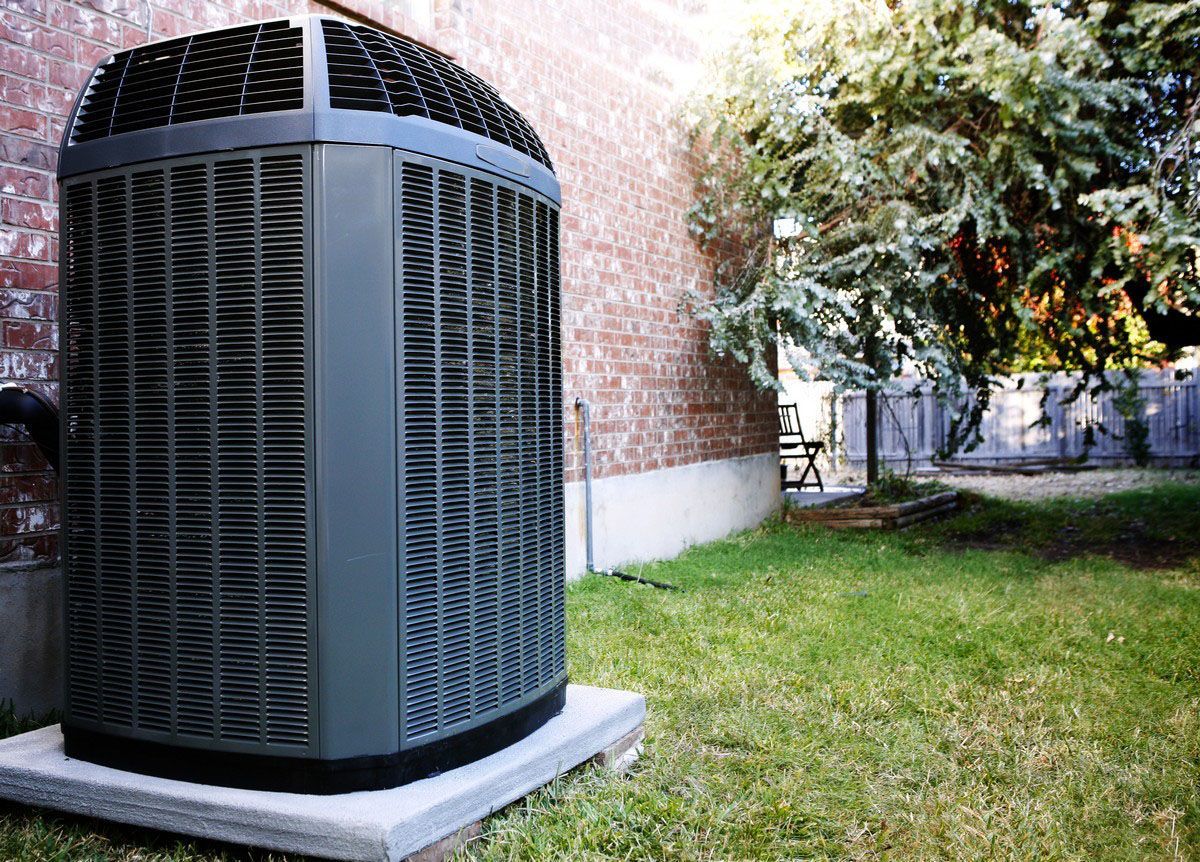
Traditional air-conditioning systems often include outdoor condenser units that produce noticeable operating noise. These units occupy yard space and remain exposed to rain, wind, debris, and changing temperatures. Geothermal systems typically place the main heat pump equipment indoors while using buried piping for ground heat exchange. This arrangement eliminates the need for a conventional outdoor condenser in many installations.
Homeowners considering geothermal installations may appreciate the quieter outdoor environment and reduced visibility of mechanical equipment. Without a conventional exterior condenser, patios, gardens, and seating areas may experience fewer equipment-related disturbances. Indoor components still produce operating noise, making appropriate placement important. Professional installers can recommend suitable locations and evaluate access requirements for future servicing, supporting household convenience and efficient operation.
Adapting System Designs to Property Conditions
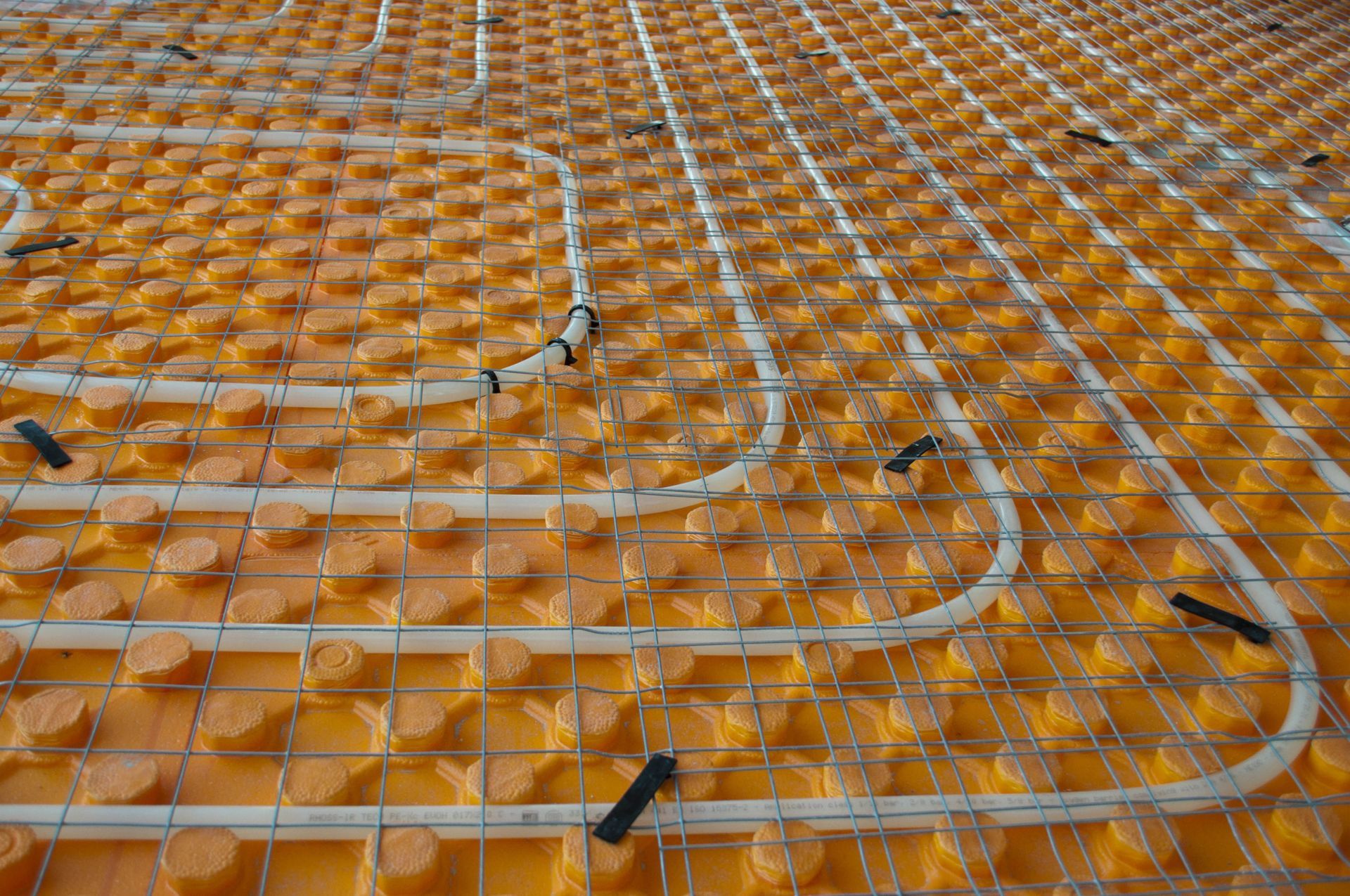
Geothermal technology can accommodate different residential layouts, but installation requires careful property evaluation. Underground heat exchange systems may use horizontal loops, vertical boreholes, or other approved configurations depending on available land, soil characteristics, and site conditions. Larger properties may provide room for horizontal piping, while smaller lots sometimes require vertical drilling. Each configuration has distinct installation requirements and cost considerations.
Professional contractors assess these conditions before recommending a design. They may review soil composition, groundwater considerations, landscaping, utility locations, and access for excavation equipment. Local regulations and permitting requirements can also influence installation. Thorough planning helps determine whether a particular loop configuration is practical. Evaluating site conditions early allows homeowners to understand potential disruptions, installation timelines, and necessary preparation.
Improving Reliability Through Professional Maintenance
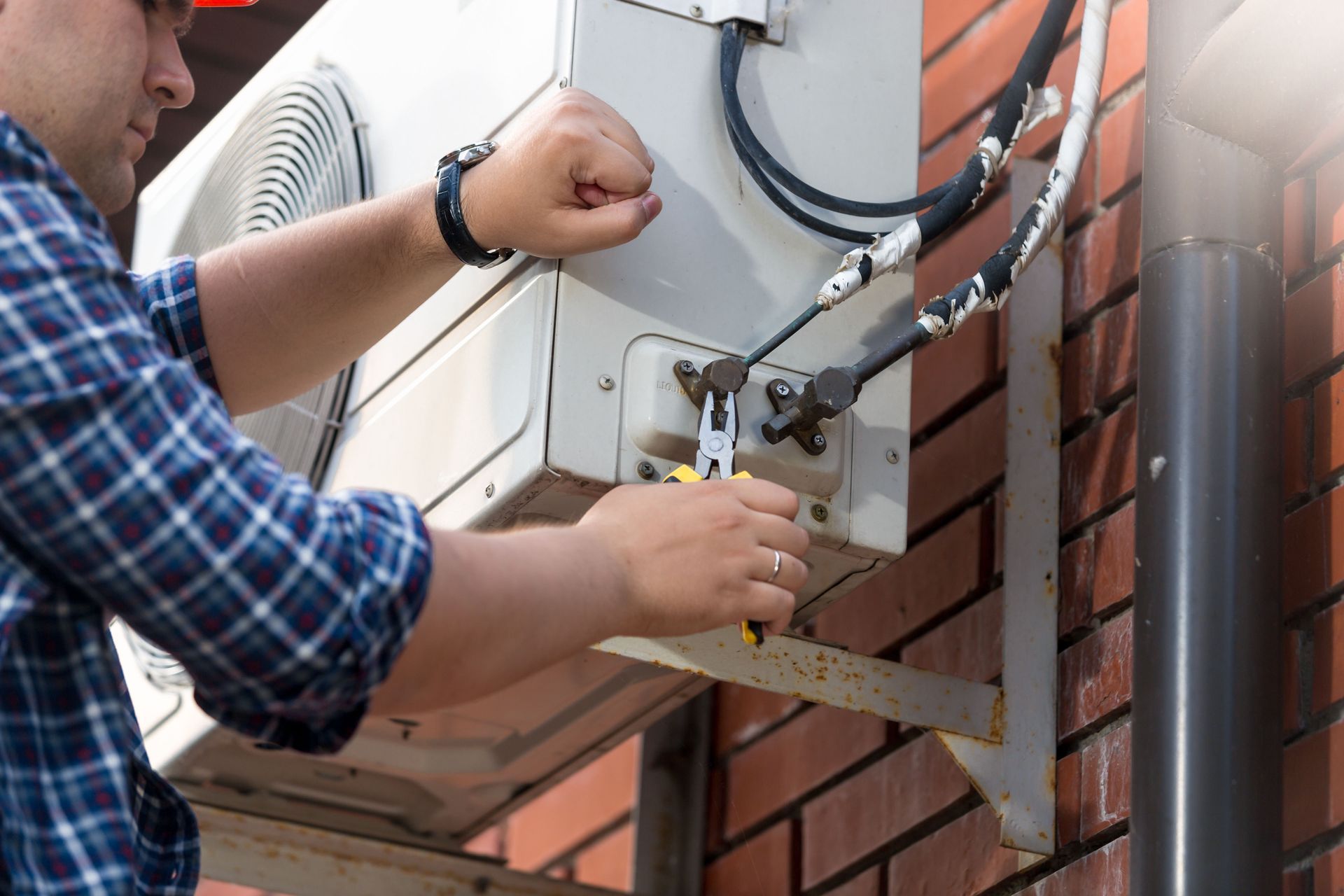
Even efficient heating and cooling equipment requires periodic attention to maintain dependable performance. Geothermal systems contain pumps, electrical connections, filters, and heat exchange components that should be inspected according to manufacturer recommendations. Routine maintenance can identify airflow restrictions, circulation problems, and developing mechanical concerns. Addressing these issues promptly may reduce unexpected breakdowns and unnecessary energy consumption.
According to WorkYard, although approximately one-third of homeowners express concerns about their HVAC systems' condition, only 30% arrange preventive maintenance. This highlights the importance of establishing a consistent maintenance routine rather than waiting for noticeable problems. Homeowners should discuss inspection schedules and service requirements with qualified technicians. Regular filter replacement, equipment evaluations, and appropriate system checks help maintain efficiency and identify concerns before extensive repairs become necessary.
Increasing Convenience Through Integrated Home Comfort
Geothermal systems can support several household comfort needs through one coordinated setup. Depending on the equipment, certain systems may provide heating, cooling, and supplemental domestic water heating capabilities. This versatility can simplify temperature management while allowing homeowners to benefit from efficient heat transfer. Available features vary by manufacturer and configuration, making it important to review specific capabilities before selecting equipment.
Professional geothermal installations help coordinate these functions with existing household infrastructure. Contractors evaluate thermostat compatibility, ductwork, electrical requirements, and potential water heating connections. They can explain available controls and demonstrate proper operation after installation. Understanding how the equipment functions allows homeowners to make informed adjustments without compromising performance. Careful integration creates a practical heating and cooling arrangement that accommodates everyday routines and seasonal requirements.
Geothermal heating and cooling technology offers homeowners several potential advantages, including improved energy efficiency, reduced operating expenses, consistent indoor comfort, and less reliance on outdoor mechanical equipment. Underground heat exchange systems can also support environmental goals and provide durable heating and cooling solutions when properly designed and maintained. However, successful performance depends on property evaluation, appropriate equipment selection, skilled installation, and ongoing maintenance. Professional geothermal installations help address these requirements while giving homeowners guidance about system capabilities, expected expenses, and long-term care. By considering immediate installation needs and future operating requirements, property owners can make informed decisions about upgrading their comfort systems. If you are interested in exploring geothermal heating and cooling options for your home, contact Energywise Inc today to discuss your needs and learn more about available solutions.