October 5, 2026
Heating, ventilation, and air conditioning (HVAC) systems play a critical role in maintaining indoor comfort and air quality. However, these systems can account for up to 50% of your home's total energy consumption. Inefficiencies in HVAC systems can, therefore, lead to significant increases in energy bills, putting a strain on household budgets. Understanding the root causes of these inefficiencies is crucial for homeowners looking to optimize their energy use. In this article, we explore various HVAC issues that can drive energy bills higher and offer solutions to mitigate them.
1. Inadequate Insulation and Its Impact on HVAC Systems
1.1 Understanding Insulation's Role in Energy Efficiency
Insulation acts as a barrier to heat flow and is essential for keeping your home warm in the winter and cool in the summer. It minimizes heat exchange with the outside environment, reducing the load on your HVAC system. When insulation is deficient, heat loss or gain can lead to increased energy consumption, as your HVAC system works harder to maintain a comfortable temperature. Proper insulation not only improves comfort but also helps to keep energy bills manageable. Therefore, understanding and addressing insulation issues is a key step in enhancing overall energy efficiency.
1.2 Common Insulation Problems
Common insulation problems include inadequate coverage, gaps, and degraded materials over time. Poor installation practices can lead to these issues, compromising the effectiveness of the insulation barrier. Additionally, aging insulation materials can settle or become damaged due to exposure to moisture or pests. These problems result in ineffective thermal barriers, leading to increased operational demands on your HVAC system. Homeowners should regularly inspect insulation and address any issues to maintain optimal energy efficiency.
1.3 How Poor Insulation Affects HVAC Performance
Poor insulation means that your HVAC system must work overtime to compensate for the constant heat exchange between indoor and outdoor environments. This increased demand shortens the lifespan of your system, leading to more frequent repairs or replacements. Longer operating cycles of HVAC units contribute to increased energy consumption, significantly impacting utility bills. Additionally, the stress on the system can lead to reduced efficiency over time, further exacerbating energy and cost issues. Addressing insulation concerns can relieve some of this burden, improving system performance and extending its lifespan.
1.4 Signs of Inadequate Insulation in Your Home
There are several indicators that your home may have inadequate insulation. The most common sign is uneven temperature distribution across different rooms, leading to uncomfortable spaces. Additionally, unusually high energy bills during peak heating or cooling seasons could signal insulation issues. Drafts around windows and doors and walls that are cold to the touch are also telltale signs. Homeowners should investigate these symptoms to determine if their insulation needs improvement to optimize HVAC efficiency.
1.5 Solutions for Improving Insulation Efficiency
Improving insulation efficiency begins with a thorough inspection to identify any gaps or areas needing attention. Professional energy audits can provide valuable insights into problematic zones and recommended solutions. Upgrading to higher-quality materials or increasing the R-value of insulation can significantly improve energy retention. Sealing air leaks and installing additional insulation in critical areas like attics, basements, and crawl spaces can also help. By taking proactive measures, homeowners can enhance their home's comfort and reduce HVAC operational costs.
2. The Effects of Poor HVAC Maintenance
2.1 Importance of Regular HVAC Maintenance
Regular HVAC maintenance is crucial for ensuring the system's efficiency and longevity. Modernize suggests that most HVAC systems can last 15 to 20 years with proper maintenance. Regular servicing includes cleaning and replacing filters, checking for refrigerant leaks, and ensuring that all components function correctly. These activities help avoid costly repairs and maintain optimal system performance. Over time, well-maintained systems lead to lower energy bills as they operate more efficiently.
2.2 Common Maintenance Issues
Common maintenance issues that can arise include clogged filters, blocked vents, and dirty coils. These problems can reduce airflow and lead to inefficient heating or cooling, causing the HVAC system to work harder than necessary. Ignoring maintenance can also lead to more severe issues, such as compressor failure or refrigerant leaks. Regular inspections can identify these issues early, minimizing their impact on performance and energy consumption. Addressing maintenance needs promptly ensures that the system runs smoothly and efficiently.
2.3 Relationship Between Maintenance and Energy Bills
A poorly maintained HVAC system can drive up energy bills significantly. Inefficiencies caused by dirty filters or blocked vents force the system to consume more energy to achieve desired temperatures. Even minor issues can snowball into significant energy waste, affecting the household's bottom line. Regular maintenance not only ensures optimal performance but also prevents utility costs from rising unnecessarily. Homeowners should see maintenance as an investment in energy savings and system durability.
2.4 DIY vs Professional Maintenance
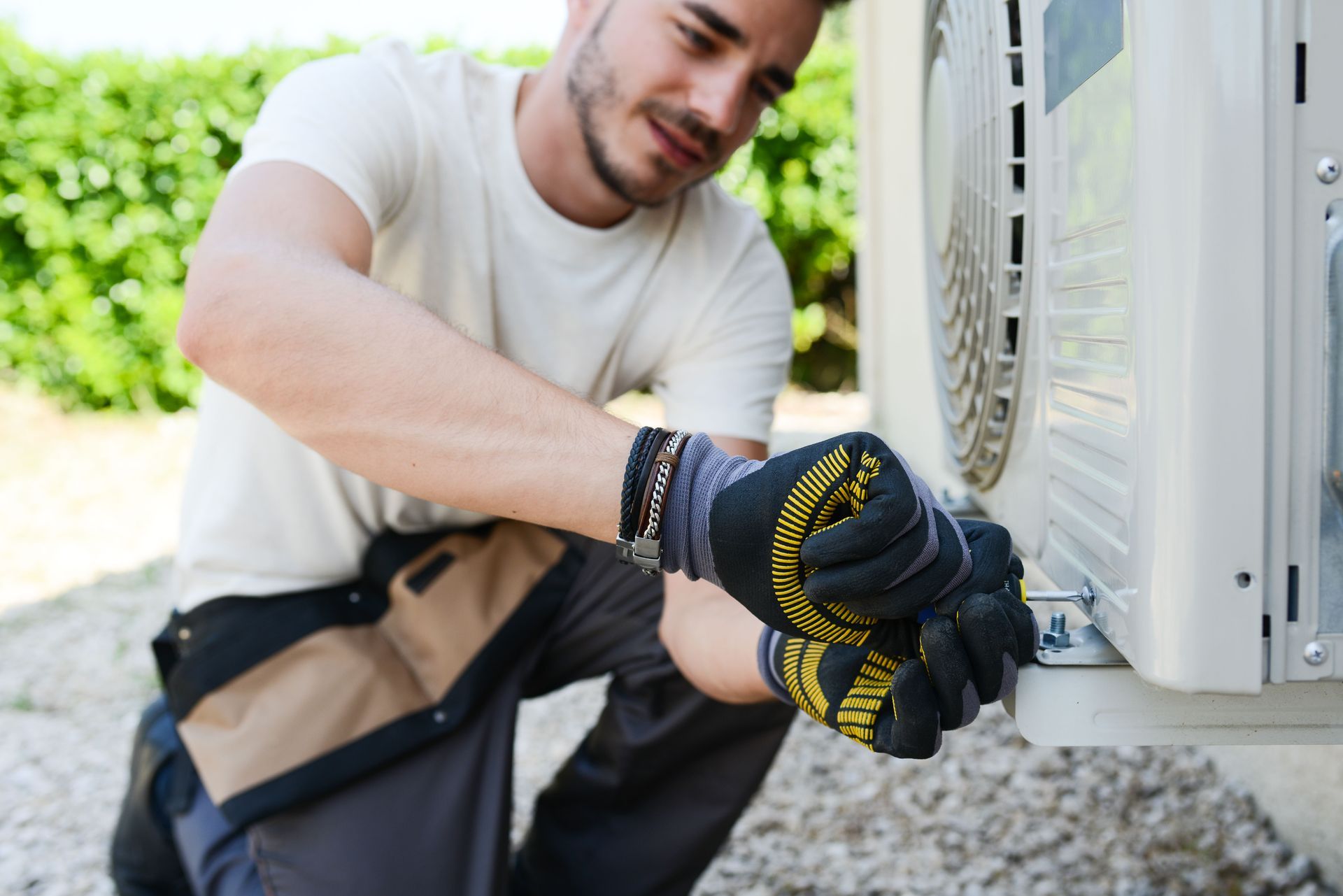
While some HVAC maintenance tasks can be handled by homeowners, others may require professional expertise. DIY tasks include filter replacements and ensuring vents are unobstructed. However, more complex checks, such as diagnosing refrigerant leaks or inspecting electrical connections, should be left to professionals. Professional maintenance provides peace of mind and extra assurance that all components are functioning optimally. Weighing the costs and benefits of professional maintenance versus DIY efforts can help homeowners make informed decisions.
3. Inefficient Thermostat Use
3.1 Types of Thermostats and Their Impact on Efficiency
Thermostats are vital for regulating the temperature settings of HVAC systems. There are different types of thermostats, including manual, programmable, and smart thermostats, each with varying impacts on energy efficiency. Manual thermostats require constant adjustment, which can lead to inaccuracies and energy waste. Programmable thermostats, on the other hand, allow users to set temperature schedules, making energy use more predictable. Smart thermostats offer even greater control with features like remote access and learning capabilities, optimizing energy usage through enhanced precision.
3.2 How Incorrect Settings Can Increase Energy Usage
Incorrect thermostat settings can inadvertently lead to increased energy consumption. Setting the thermostat too high or too low compared to the outdoor temperature forces the HVAC system to work harder. Frequent temperature changes can also impact energy efficiency, causing unnecessary strain on the system. These habits can result in significant energy waste and higher utility bills over time. Ensuring that thermostat settings align with energy-saving principles can mitigate these issues.
3.3 Smart Thermostats: Are They Worth It?
Smart thermostats offer advanced features that can lead to savings on energy bills. They allow for precise temperature control and can be monitored and adjusted remotely. Some models learn household patterns and adjust settings automatically for maximum energy efficiency. While the initial investment might be higher than traditional thermostats, the potential savings in energy bills can make them a worthwhile investment. Additionally, smart thermostats enhance home comfort and convenience, adding value to your HVAC system.
3.4 Energy-Saving Thermostat Tips
There are several tips to optimize their thermostat settings and save energy. Setting the temperature a few degrees lower or higher when the house is empty can significantly reduce energy usage. Utilizing programmable features to adjust temperatures based on daily routines can improve efficiency without sacrificing comfort. Regularly calibrating and maintaining thermostats ensures they operate accurately. These simple steps can lead to significant savings on energy bills, benefiting both the environment and household budgets.
Ensuring efficient HVAC operation is vital for managing energy bills and maintaining home comfort. Addressing issues such as inadequate insulation, poor maintenance, thermostat misuse, ductwork inefficiencies, outdated systems, and improper sizing can significantly impact energy consumption. By taking proactive measures and investing in modern, energy-efficient technologies, homeowners can achieve substantial savings and environmental benefits. According to Modernize, most HVAC systems have a lifespan of 15 to 20 years when properly maintained. Staying informed about potential issues and solutions ensures that HVAC systems operate effectively, thereby keeping energy costs manageable. Be sure to reach out to Energywise Inc for more information on our professional HVAC company!