February 9, 2026
We're happy to guide homeowners on what to anticipate during a gas heating repair appointment, helping you prepare for a smooth and efficient service. Understanding the steps involved can aid in managing expectations and ensuring your heating system is in top working order by the end of the appointment. Here are a few things you can expect.
Scheduling the Appointment
Understanding Urgency Levels
Understanding the urgency levels of your heating system issues is crucial in scheduling a gas heating repair appointment. Some problems, if left untreated, could lead to more significant damage or even pose safety hazards. It's important to describe any noises, leaks, or inefficiencies to the repair service. This ensures that they prioritize your appointment based on the severity of the problem. Early detection and scheduling can prevent costly repairs and promote a safe living environment.
Understanding urgency levels ties into broader energy policies and trends. For example, the increased adoption of heat pumps, supported by commitments like the Northeast Energy Efficiency Partnerships' 2024 memorandum, indicates a shift in how residential heating needs are approached. By 2040, 10 U.S. states, including Washington D.C., aim for 90% of residential-scale heating, air-conditioning, and water heating shipments to include heat pumps, according to NEEP, showcasing a move towards more energy-efficient solutions. Anticipating such trends can help you align your repair choices with emerging standards and technologies.
Coordinating a Convenient Time
Coordinating a convenient time for your repair appointment minimizes disruption to your daily routine. Most reputable services offer flexible scheduling, allowing appointments outside of standard business hours. Clear communication regarding your availability can facilitate an appointment window that suits both your and the technician's schedules. Planning ahead ensures both parties are prepared, reducing the potential for cancellation or delays. A smooth scheduling process reflects positively on the service's customer responsiveness.
When scheduling, consider setting a time when household activities are at a minimum. This provides the technician with easier access to the necessary work areas and reduces interruptions during the repair process. It also allows you to be present to answer any questions or discuss findings. Being present can streamline the process, leading to a more efficient gas heating repair appointment. Awareness of peak activity times within your home can make a significant difference in coordination success.
Preparing Essential Information for the Technician
Before your appointment, preparing essential information for the technician can expedite the process. Document any symptoms you've observed, such as unusual noises or inefficient heating. Note the frequency and duration of these symptoms, as well as any prior repairs or maintenance conducted. Providing model numbers and system specifications can also aid the technician in diagnosing issues more effectively. This preparation helps in forming a complete picture of your heating system's health.
Having a well-documented history can facilitate a quicker resolution during the repair visit. Technicians can use this data to identify patterns or any recurring issues. This comprehensive understanding can lead to more accurate diagnostics and tailored repair solutions. It also demonstrates your proactive approach towards maintaining your heating system or investing in gas heating repair. The technician will appreciate this readiness, allowing them to focus on resolving the issue decisively.
Discussing Initial Cost Estimates
Discussing initial cost estimates before the appointment provides financial clarity. A reputable gas heating repair service should offer a preliminary quote based on your description of the issue. Keep in mind, these are often rough estimates that may change once the technician assesses the system in person. Understanding potential costs upfront allows you to budget accordingly and avoid surprises. Clarity during this stage fosters trust and sets expectations for both parties.
Cost discussions should include labor, parts, and any additional fees related to the service. Knowing the potential range of costs can help in making informed decisions about proceeding with the repair. It's also an opportunity to discuss warranty or insurance options that may offset some costs. Technicians should be transparent about how costs are determined and potential factors influencing them. This transparency reassures you of the service's integrity and commitment to fair business practices.
Initial Assessment by the Technician
Reviewing System History
The technician's initial assessment often begins with a review of your system's history. Documentation of past repairs, issues, and maintenance provides a foundational understanding of potential recurring problems. If this information is well organized, it becomes a valuable tool in identifying potential root causes more swiftly. Consistent logging of your system's health aids technicians in crafting more effective diagnostic approaches. This historical insight is crucial in forming repair strategies that aren't merely temporary fixes but address underlying concerns.
Identifying Signs of Trouble
Once the system history is reviewed, technicians will identify signs of trouble through visual and physical inspection. They will scrutinize warning indicators like soot buildup, blockages, or corrosion. Recognizing these signs early prevents minor issues from escalating into significant malfunctions. Technicians might also notice performance inefficiencies, sometimes evident in irregular operation sounds or unusual energy usage patterns. Quick identification of these warning cues is a vital component in developing an effective gas heating repair strategy.
Discussing Preliminary Findings
Once the initial assessment is complete, the technician will discuss preliminary findings with you. This conversation is critical to understanding the nature and extent of the issues. The technician will explain what has been observed, linking symptoms to their potential underlying causes. Transparency in this discussion allows you to grasp the complexities of the situation, forming the basis for informed decision-making regarding repairs. This dialogue also establishes trust by demonstrating the technician's knowledge and attention to detail.
Estimating Repair Needs and Costs
Following the assessment and discussion of findings, the technician provides an estimate of repair needs and costs. This estimate is grounded in the initial evaluation, detailing each component's repair or replacement requirements. Transparency in cost estimation involves discussing all potential expenses, including labor, parts, and any supplementary costs. This clarity helps you budget and decide the best course of action. Staying informed about potential costs ensures you can proceed with confidence in your financial planning.
Inspection Procedures
Checking Thermostat Functionality
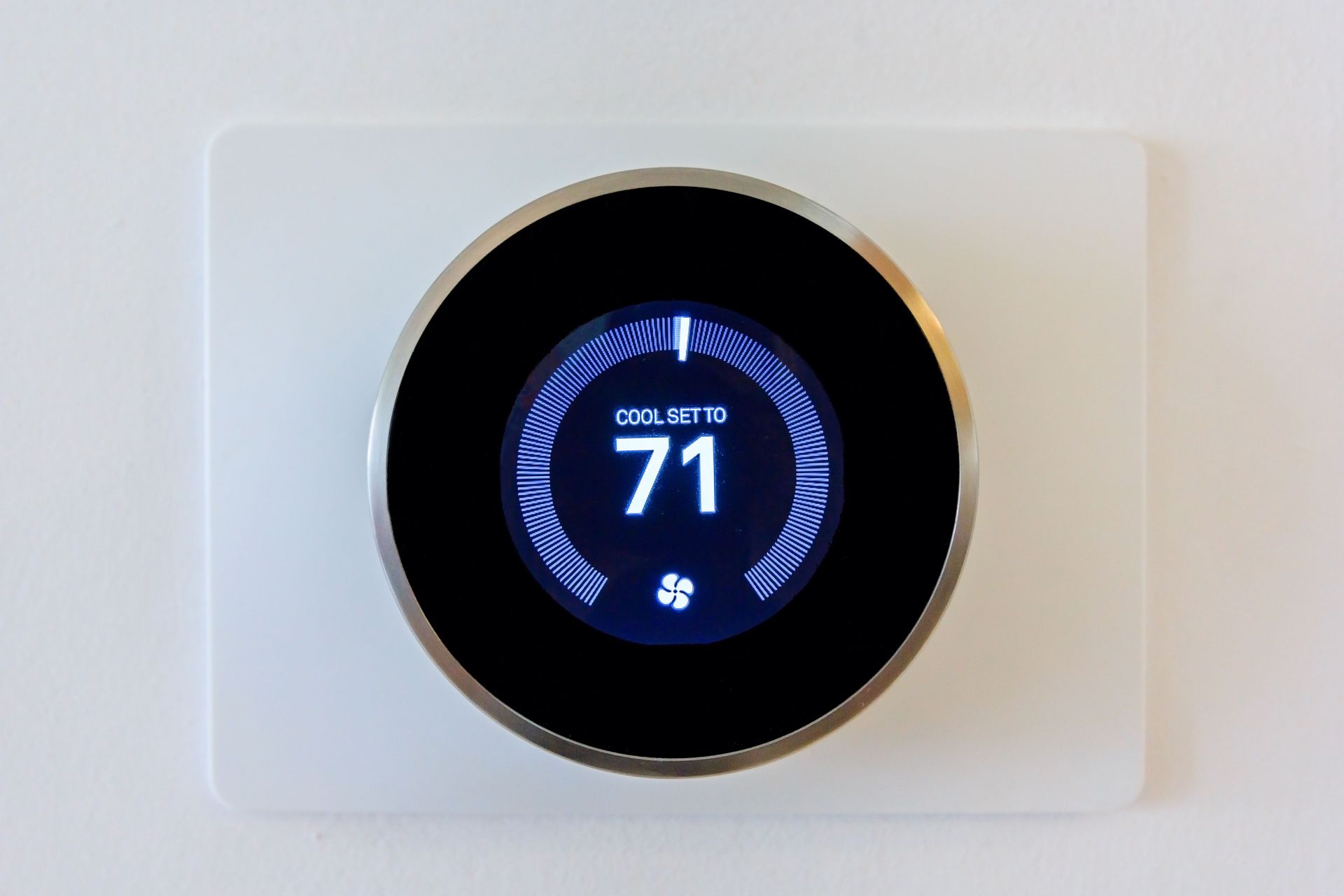
As part of the detailed inspection process, technicians will test the thermostat to ensure it's functioning correctly. The thermostat controls your heating system, and any issues here can affect overall performance. Malfunctioning thermostats can lead to inefficient heating, inconsistent temperatures, or even prevent the system from turning on or off. Ensuring the thermostat is calibrated and correctly communicating with the heating system is a crucial step. Proper thermostat functionality is integral to maintaining desired comfort levels and energy efficiency.
Examining Gas Lines and Connections
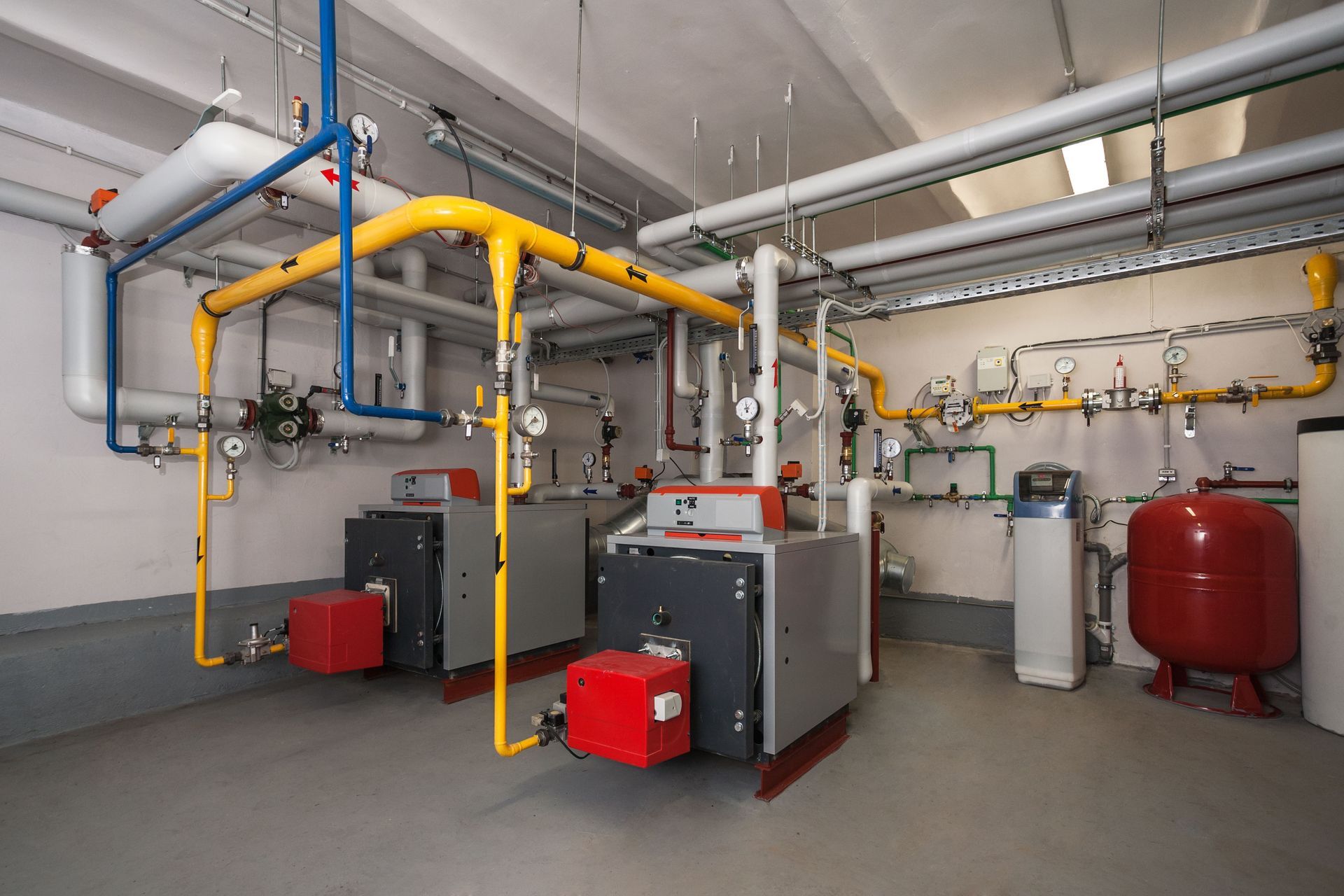
Inspecting gas lines and connections is vital to ensure safety and the correct functioning of your gas heating system. Any leaks or blockages could pose serious health risks, including gas poisoning or fire hazards. Technicians check for any sign of wear and tear or corrosion in the pipes and fittings. Proper maintenance of gas lines prevents potential leaks, ensuring household safety and system integrity. Early detection of gas line issues can prevent larger, more expensive repairs down the line.
Inspecting Heat Exchanger
The heat exchanger is a critical component that transfers thermal energy from the furnace to the air in your home. Inspecting the heat exchanger involves checking for cracks or damage that could lead to dangerous carbon monoxide leaks. A compromised heat exchanger not only affects system efficiency but also presents significant health hazards. Technicians should conduct thorough visual and pressure tests to evaluate the integrity of the heat exchanger. Corrective actions might include cleaning, repairs, or complete replacement, depending on the severity of the condition.
Ultimately, a professional gas heating repair visit is about more than fixing an immediate issue—it's an opportunity to better understand your system and make informed decisions about its care. With the right preparation and a trusted service provider, you can feel confident knowing your heating system is being thoughtfully evaluated and properly serviced, helping keep your home warm, efficient, and dependable when you need it most. Call Energywise Inc today to work with our HVAC experts.