December 11, 2025
Uneven temperatures can make a home feel uncomfortable, inefficient, and difficult to manage throughout the year. Many homeowners struggle with hot and cold spots, often without realizing how many factors contribute to these variations. According to the International Institute of Refrigeration, in October 2024, U.S. shipments of central air conditioners and air-source heat pumps totaled 815,360 units, a 53.1% increase compared with 532,569 units shipped in October 2023. By understanding the assessment methods used by HVAC companies, it becomes easier to recognize why professional help is so valuable when addressing temperature inconsistencies.
Identify Causes of Uneven Temperatures in Your Home
Examine Poor Insulation as a Key Contributor
Poor insulation may contribute to noticeable temperature differences between rooms. When a home lacks sufficient insulation, conditioned air can escape and allow outside temperatures to influence indoor comfort. Companies frequently identify insulation deficiencies as a possible contributor to hot and cold zones.
Insufficient insulation can cause the heating and cooling system to work harder to maintain temperatures, which may increase energy usage over time. This added effort might affect system lifespan and overall comfort. Because insulation problems are often hidden behind walls and ceilings, HVAC professionals often evaluate these areas carefully during a diagnostic visit.
Inspect Ductwork Issues for Effective Air Distribution
Weak points in the ductwork can sometimes disrupt airflow, potentially causing certain rooms to receive less conditioned air than others. Leaks, gaps, and blockages can make it more difficult for air to travel freely, which might result in uneven temperatures. Addressing these issues early can help improve comfort.
If ducts are not ideally sized, the system may have more difficulty maintaining adequate static pressure, which could further affect airflow distribution. Smaller ducts may restrict movement, while oversized ducts might not deliver air as efficiently. During assessments, companies check for these discrepancies to see whether adjustments could improve comfort.
Assess Temperature Imbalances with HVAC Diagnostics
Conduct Comprehensive Temperature Surveys
Technicians often begin by performing a temperature survey to gather data about each area of the home. This process uses specialized tools to identify deviations from expected temperature ranges. HVAC companies use this information to help guide their diagnostic decisions.
Perform Detailed Airflow Analysis
Airflow analysis helps determine whether the HVAC system is moving air effectively throughout the home's duct network. Technicians measure output at vents, evaluate static pressure, and look for possible obstructions that may prevent circulation. Identifying airflow issues early can help prevent larger system problems.
Optimize Thermostat Placement for Accurate Readings
Position Thermostats Strategically for Accuracy
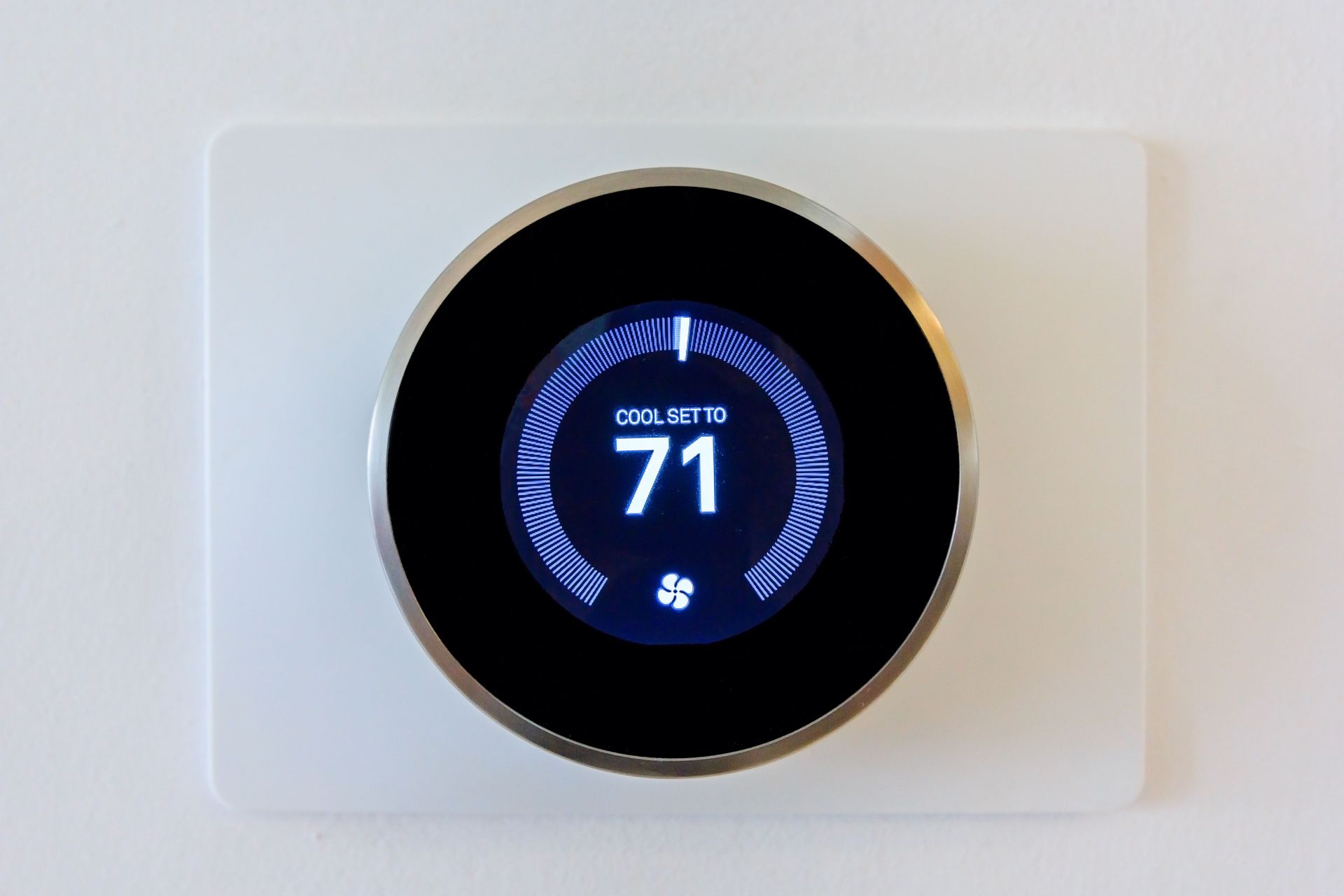
The thermostat serves as the central control point for the HVAC system, so placement can be important. When a thermostat is installed near heat sources, drafts, or direct sunlight, it may not read temperatures as accurately as intended. HVAC companies routinely check thermostat positioning to help ensure readings reflect the home's average conditions.
Proper placement can help the system run more consistently, which may contribute to more balanced temperatures and energy use. When the thermostat reflects typical living-space conditions, the system generally operates more steadily.
Understand Impact on Heating and Cooling Cycles
A thermostat that is not ideally placed may affect normal heating and cooling cycles, which can lead to uneven comfort. Inaccurate readings could make the system run more or less than necessary. Companies consider these factors to see whether relocating a thermostat could help improve system performance.
Maintain Air Filters to Improve Airflow and Comfort
Follow Regular Filter Maintenance Practices
Dirty air filters can reduce airflow, which may make it more challenging for the system to distribute air evenly. As filters become clogged, the system may need to work harder, which could affect airflow output. HVAC companies often recommend regular filter maintenance because it can help with comfort and efficiency.
Replacing filters can reduce strain on the system and help air circulate more freely. Clean filters can also support indoor air quality, improving the household environment. Homeowners may notice more consistent temperatures when filters are properly maintained.
Apply Techniques for Optimized Duct Performance
When duct systems have gaps or leaks, temperature inconsistencies can become more noticeable. Professionals can evaluate duct conditions and determine whether sealing, reinforcement, or adjustments could help. These corrections may help airflow move more evenly through the home.
Seal Ductwork to Enhance Temperature Consistency
Recognize Benefits of Professional Duct Sealing
Sealing ducts can help reduce air loss, which is often a factor in uneven heating and cooling. When conditioned air escapes through leaks, the system may need to work harder to reach set temperatures. Companies often use sealing methods to improve duct integrity and comfort across rooms.
Use Effective Techniques for Long-Lasting Seals
Technicians typically use mastic products, specialized tapes, and other durable materials to seal ductwork. These applications help create barriers that prevent conditioned air from escaping through unwanted openings. HVAC companies choose sealing methods based on duct material and the severity of each issue.
Determine Proper HVAC System Size for Your Home
Evaluate Importance of Accurate Sizing
An HVAC system generally works best when sized to the home's needs. Undersized units may run more often and still have trouble meeting demand, while oversized systems might cycle more frequently and create uneven comfort. HVAC companies perform calculations to estimate appropriate sizing for each home.
Proper system capacity can help each room receive more consistent airflow and adequate heating or cooling. Matching the system to the home's needs may also reduce unnecessary wear and contribute to energy efficiency.
Consider Key Factors Influencing System Capacity
Square footage, insulation quality, window placement, and layout can all influence system capacity needs. Professionals also consider climate conditions and usage patterns. Companies review these factors to recommend a system suited to the home's requirements.
Implement Zoning Systems to Customize Room Temperatures
Explore Benefits of HVAC Zoning Solutions
Zoning systems allow a home to be divided into separate climate areas that can be controlled independently. This approach lets homeowners heat or cool specific areas without affecting unused spaces. HVAC companies may suggest zoning solutions for homes with ongoing hot and cold spots.
Apply Effective Implementation for Consistent Comfort
Zoning can help adjust temperatures only where needed, potentially reducing energy use. In larger homes with varied usage patterns, this targeted approach may result in noticeable benefits. Many homeowners find zoning to be an effective way to improve comfort.
With multiple zones, temperatures can remain more consistent and customizable throughout the day. This helps ensure each occupied area feels comfortable without overworking the system. Companies can design zoning layouts that match a home's structure and daily routines.
Evaluate When to Call an HVAC Professional
Identify Signs of Serious System Issues
Persistent temperature differences, unusual system noises, and unexplained increases in energy bills may indicate the need for professional evaluation. These red flags could suggest underlying problems that go beyond routine maintenance. HVAC companies can help determine whether the issue comes from equipment, airflow restrictions, or duct conditions.
Understand Benefits of Expert Assessment
Professional diagnostics can give homeowners insight into system performance and potential fixes. Technicians may identify problems that aren't visible during surface inspections, helping to ensure contributing factors are not overlooked. A detailed assessment can help prevent ongoing discomfort and inefficiency.
If homeowners understand what causes uneven temperatures and when to seek help, they can maintain a more consistent and comfortable indoor environment. Expert evaluations ensure that temperature challenges are addressed with practical, long-term solutions. For homeowners who want to learn more about achieving a well-balanced indoor climate, Energywise Inc offers guidance and support tailored to individual home needs.