April 3, 2026
In recent years, HVAC zoning systems have gained significant popularity across both residential and commercial settings. As individuals and companies become increasingly conscious of energy consumption, the advantages of these systems in terms of both energy savings and personalized comfort have become apparent. An HVAC zoning system divides a building into different zones, each with its own temperature control, which optimizes energy usage and improves overall comfort levels. In some cases, property owners also compare these systems with a mini split as an alternative way to achieve targeted climate control without relying on full ducted distribution. Understanding how these systems function and the advantages they offer can guide homeowners and building managers in making informed decisions about their climate solutions.
Understanding HVAC Zoning
Definition and Basic Principles
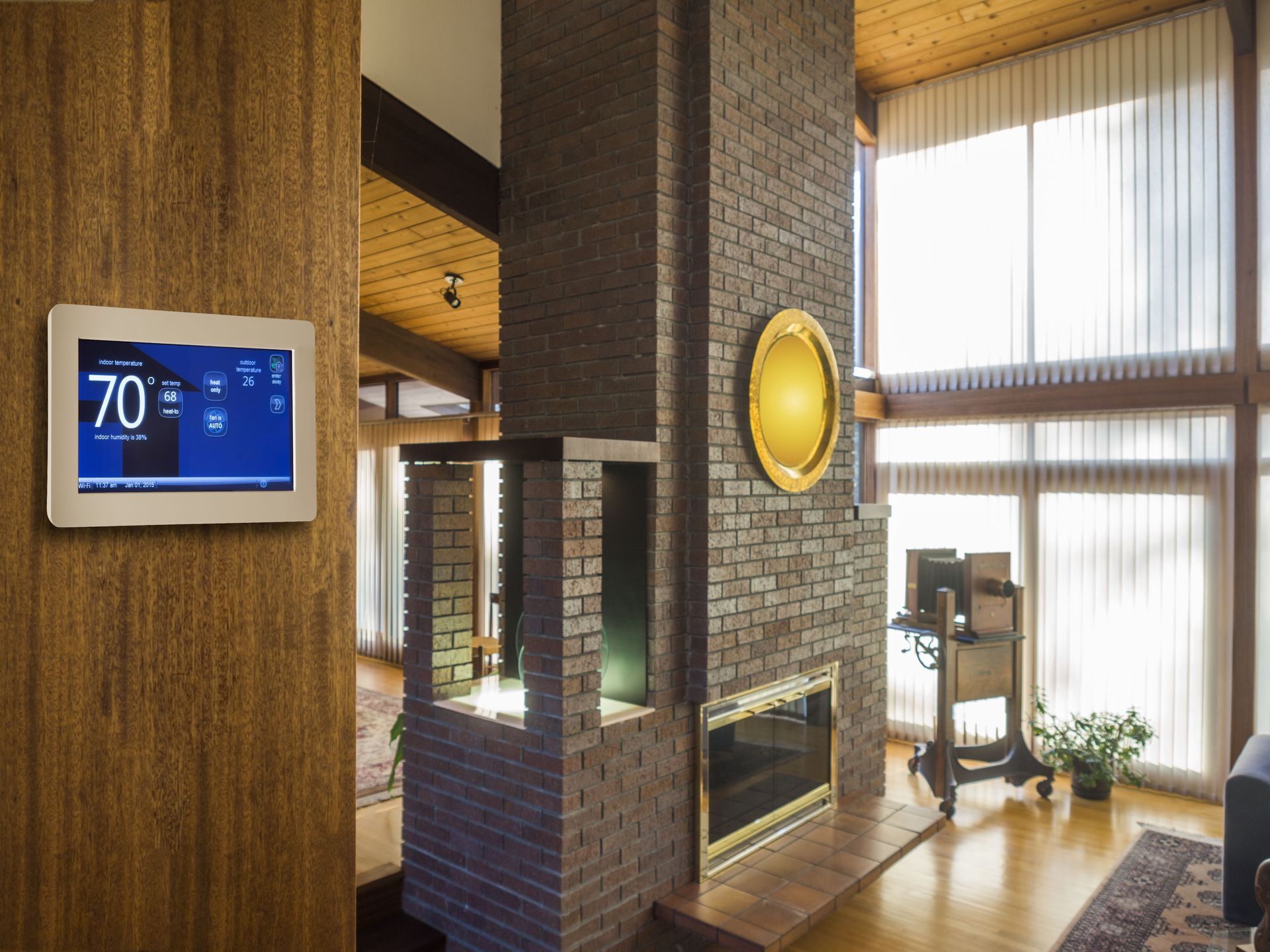
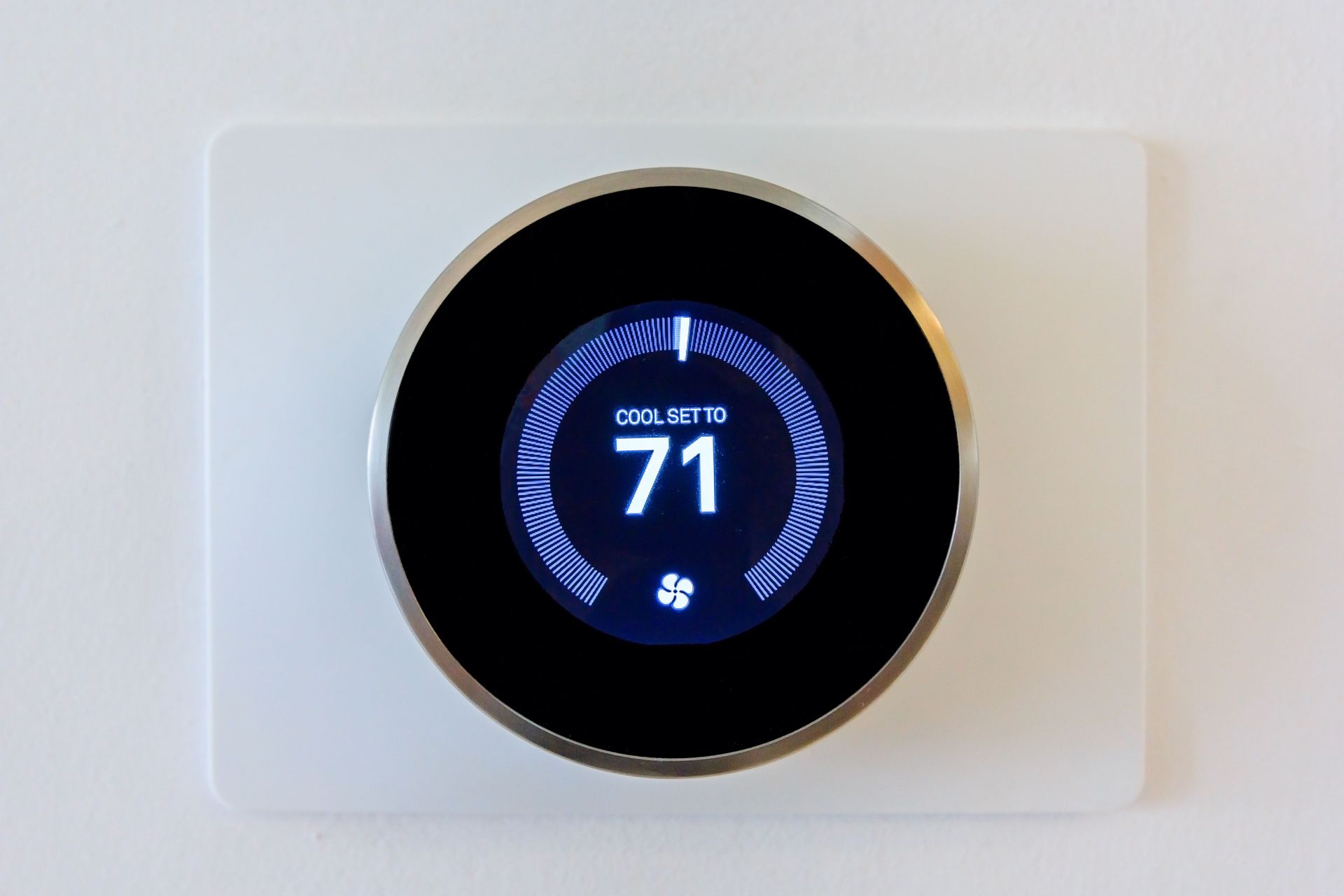
HVAC zoning involves dividing a building into different areas or zones, each controlled by separate thermostats. Unlike traditional systems that condition the entire space uniformly, zoning allows for customization of temperatures in each area. This method caters to varying heating and cooling needs specific to different parts of a building. For example, an office might have one zone for a sunlit conference room that needs more cooling and another for a shaded office area requiring less heating. In smaller or retrofit applications, a mini split system is sometimes used to provide similar room-specific control without ductwork. By managing temperatures based on zone-specific requirements, HVAC zoning systems are designed to enhance both energy efficiency and comfort.
Components of a Zoning System
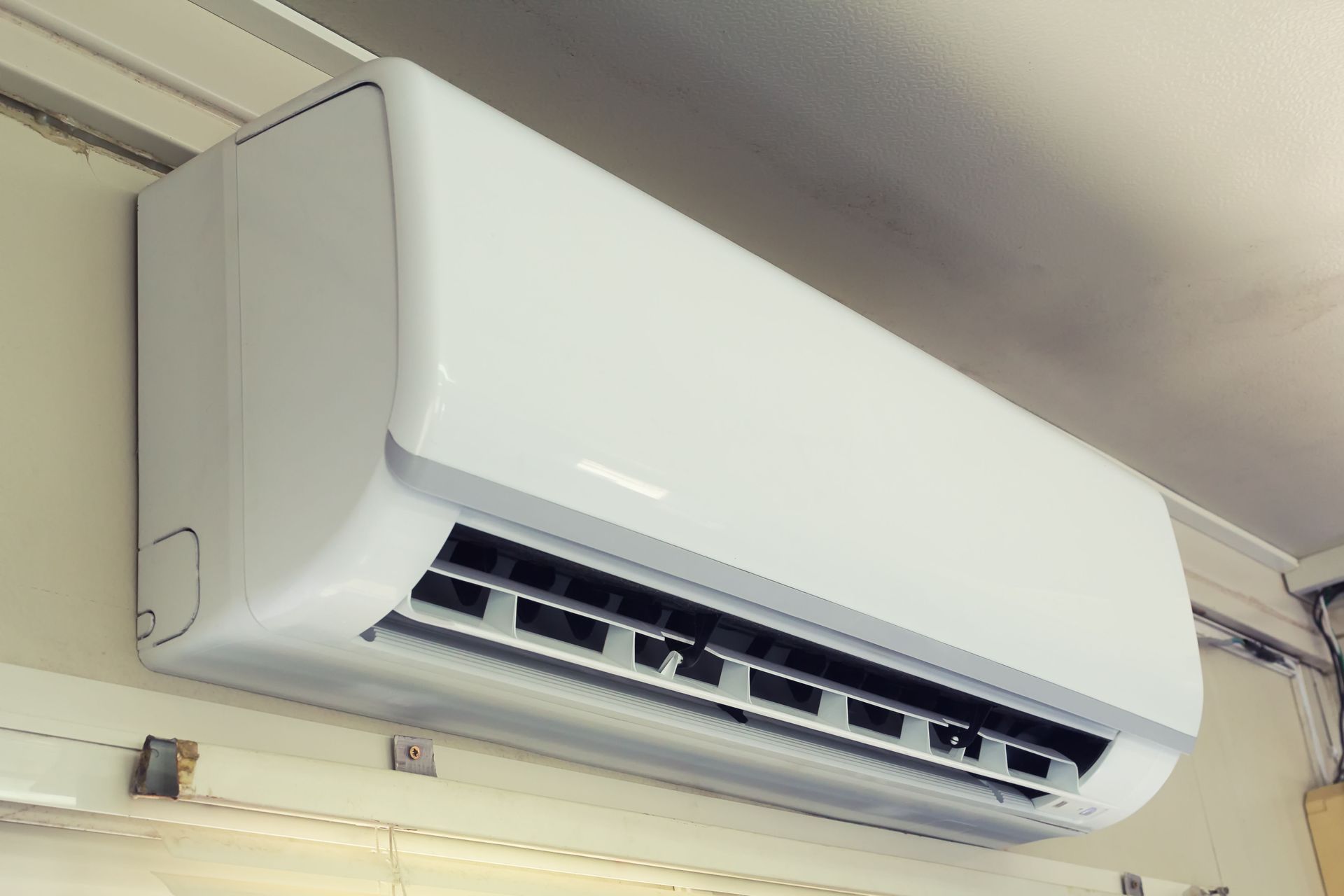
The core components of an HVAC zoning system include individual thermostats, electronic dampers, and a central control panel. Thermostats in each zone operate independently, providing the capability to set different temperatures in various areas. Electronic dampers within the ductwork play a pivotal role by opening and closing to regulate airflow to each zone based on the thermostats' inputs. A mini split, by contrast, uses indoor air-handling units connected directly to an outdoor compressor rather than relying on duct-based airflow control. The central control panel acts as the brain of the system, coordinating the dampers and thermostats to achieve the desired temperature settings. Collectively, these components work in harmony to allow fine-tuned climate control, reducing energy wastage and improving comfort.
How Zoning Works
HVAC zoning systems operate by regulating the heating and cooling activity in each zone based on individual needs. When a thermostat in a specific zone calls for temperature adjustment, the central control panel signals the dampers to direct airflow accordingly. This targeted distribution means energy is not wasted on unoccupied or low-demand areas. A mini split system functions in a similar spirit by conditioning only the space where the indoor unit is installed, rather than distributing air across an entire structure. Consequently, users achieve a tailored indoor environment that aligns with their comfort preferences. This operational design is instrumental in managing energy consumption actively, a feature that holds significant appeal in light of current energy efficiency goals.
Initial Costs vs. Long-term Savings
Investing in an HVAC zoning system typically involves higher upfront costs due to the complexity of installation. However, the long-term financial benefits often outweigh these initial expenses. By minimizing unnecessary energy usage, zoning systems can lead to substantial savings on utility bills over time. A mini split setup is sometimes considered during renovations because it can reduce installation disruption compared to ducted modifications. According to the U.S. Department of Energy, cooling and heating collectively account for more than 35% of total energy consumption in the U.S., underscoring significant savings potential. Thus, while the initial investment may seem daunting, the return on investment through energy savings is an important consideration for prospective buyers.
Energy Savings With HVAC Zoning
Reduced Energy Consumption
One of the primary benefits of HVAC zoning is the efficient energy consumption it facilitates. By delivering heating and cooling precisely where and when needed, these systems reduce the energy expended on conditioning unoccupied or seldom-used spaces. This precision contributes to a notable drop in overall energy usage, which not only benefits individual consumers but also supports broader environmental goals. A mini split system achieves a comparable outcome by allowing independent control of individual rooms or zones without central distribution losses. As more buildings incorporate zoning, the cumulative effect can make a significant impact. This reduction in energy consumption reflects a conscious effort to utilize resources responsibly and sustainably.
Optimizing HVAC System Efficiency
Zoning enhances the efficiency of HVAC systems by directing energy flow only to areas requiring climate control. By focusing on specific zones, systems often operate at optimal levels, reducing inefficient cycling that occurs with traditional setups. This targeted approach ensures that systems work smarter, not harder, maintaining desired temperatures without unnecessary strain on the system. A mini split is often recognized for maintaining steady performance because each unit operates independently rather than relying on shared ductwork. Increased efficiency also translates into decreased wear and tear on the equipment, potentially extending the lifespan of the HVAC system. Through this methodical management of resources, the potential for energy savings is maximized.
Impact on Utility Bills
For many, the potential decrease in utility expenses is a compelling reason to consider HVAC zoning. With energy costs being a significant part of household and business expenditures, reducing consumption translates directly into cost savings. By conditioning spaces only as needed, users experience substantial reductions in their heating and cooling expenses. A mini split can contribute similarly by allowing users to shut off conditioning in unused rooms entirely. This effect is particularly pronounced during peak seasons when energy usage tends to surge. Over time, the savings on utility bills can be substantial, providing compelling financial justification for the initial investment in a zoning system.
Comfort Control Through Zoning
Individual Room Temperature Adjustments
One of the most appealing aspects of HVAC zoning is the ability to tailor temperatures to each room's requirements. This customization means occupants can enjoy personalized climate conditions, optimizing comfort without affecting other areas of the building. It solves common issues like rooms that are too hot or too cold, a frequent complaint in traditionally controlled spaces. A mini split system also supports this type of individualized control by assigning specific indoor units to specific rooms. This fine-tuned control ensures that everyone within a space experiences their ideal comfort level.
Addressing Diverse Climate Preferences
Zoning systems are particularly beneficial in settings with varied climate preferences, such as offices and multi-generational homes. Different areas within a building can cater to the unique temperature desires of its occupants, preventing disputes and discomfort. A mini split can also be used strategically in such environments to give certain rooms independent control from the rest of the building. This personalized approach to climate control fosters a more harmonious living and working environment. Building managers and homeowners alike appreciate the ease with which individual preferences can be accommodated.
Enhanced Indoor Air Quality
In addition to temperature control, zoning systems have a positive impact on indoor air quality. By promoting better air circulation throughout different areas, these systems help maintain cleaner air. A mini split system contributes to this as well, since it avoids duct buildup that can accumulate dust and allergens over time. Improved air quality is a byproduct of both efficient airflow management and the reduced need for system cycling. This aspect makes zoning and ductless systems attractive options for those with respiratory concerns or health sensitivities.
HVAC zoning represents a vital advancement in climate control, offering both energy savings and enhanced comfort. Through precise temperature management, zoning systems reduce wasted energy and provide tailored climate solutions. A mini split can serve as either a complementary or alternative approach, depending on building layout and system design. Future developments in technology and increasing demand for sustainable products ensure zoning systems remain at the forefront of energy-efficient practices. The potential financial savings, improved indoor environment, and alignment with future trends make HVAC zoning an advantageous choice. Embracing these systems promises to benefit homeowners, commercial entities, and the environment alike, marking a step forward in modern climate solutions. Reach out to Energywise Inc today to improve your property's efficiency.